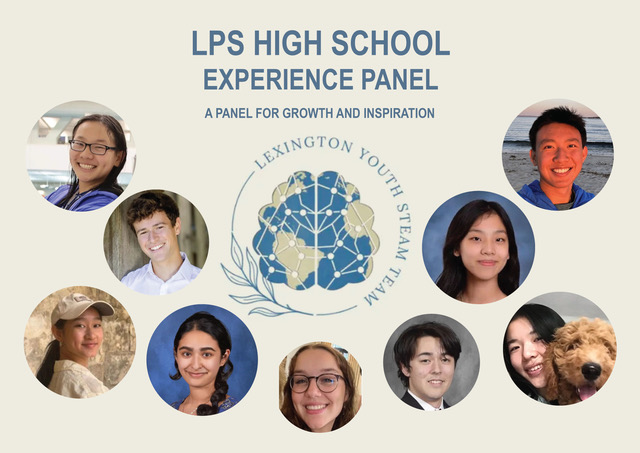
LHS Senior Seminar 2023
About The Panel
In this panel, members of LHS’s graduated class of 2023 shared what they had done and what they wished they would’ve done differently during their time at LHS. Through this diverse cast of experiences, we hope you will get to know our panelists and listen to the many perspectives and pieces of advice they have.
About Our Panelists
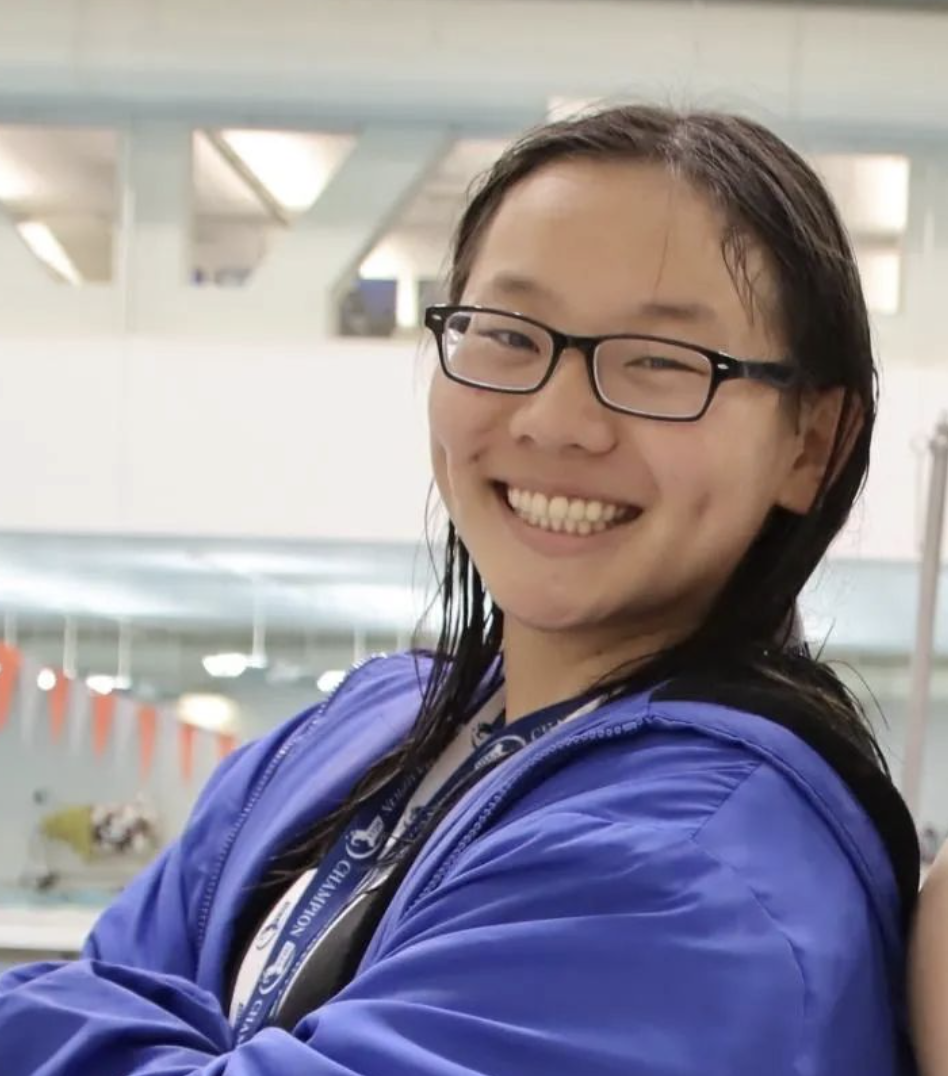
Audi Lin
I’m Audi, a rising first-year studying computer science at
Carnegie Mellon University. Throughout my time at Lexington
High School, I held leadership positions within LHS’s swim
team, the Parity Bits(one of LHS’s robotics teams), and the
LHS School Store. In my free time, I enjoy creating and trying
new things!
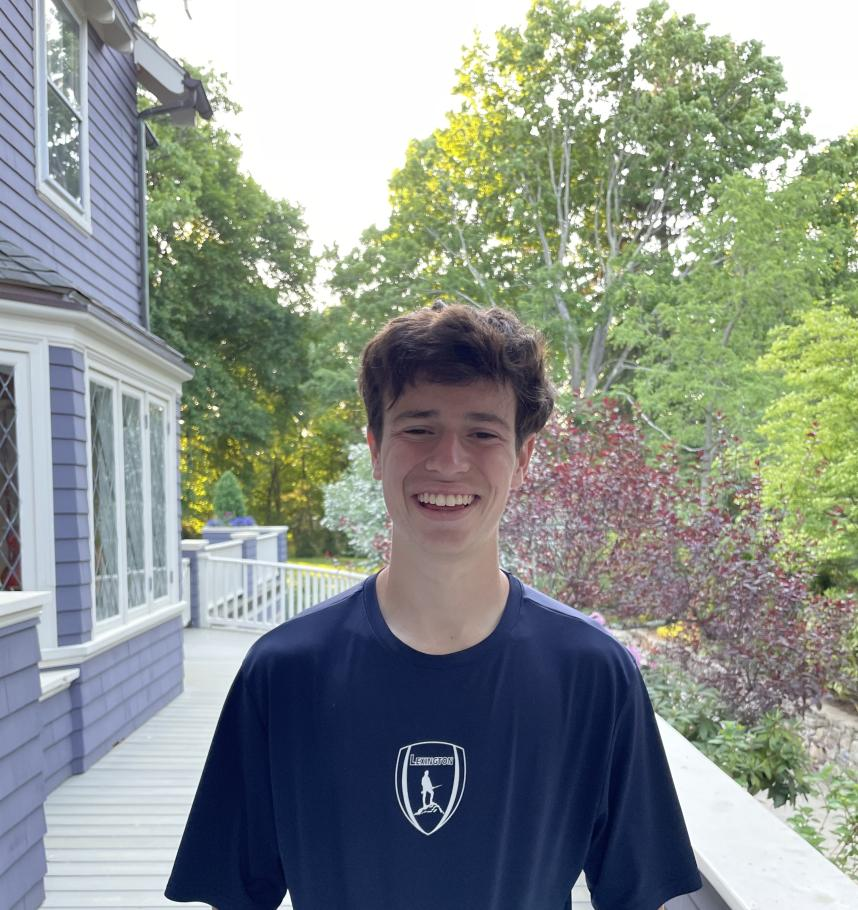
Eli Olcott
Hi! My name is Eli Olcott. I recently graduated from LHS and
I’m an incoming freshman at Harvard planning on doing computer
science and philosophy. I was Captain of the Lexington Soccer
Team, got on the U.S. National Futsal Team, was part of Lex
STEM Youth Group, created my own custom newsletter and video
game (which got banned by the school), I liked Barbie’s
soundtrack a little too much, and I have recently gotten into
rock climbing.
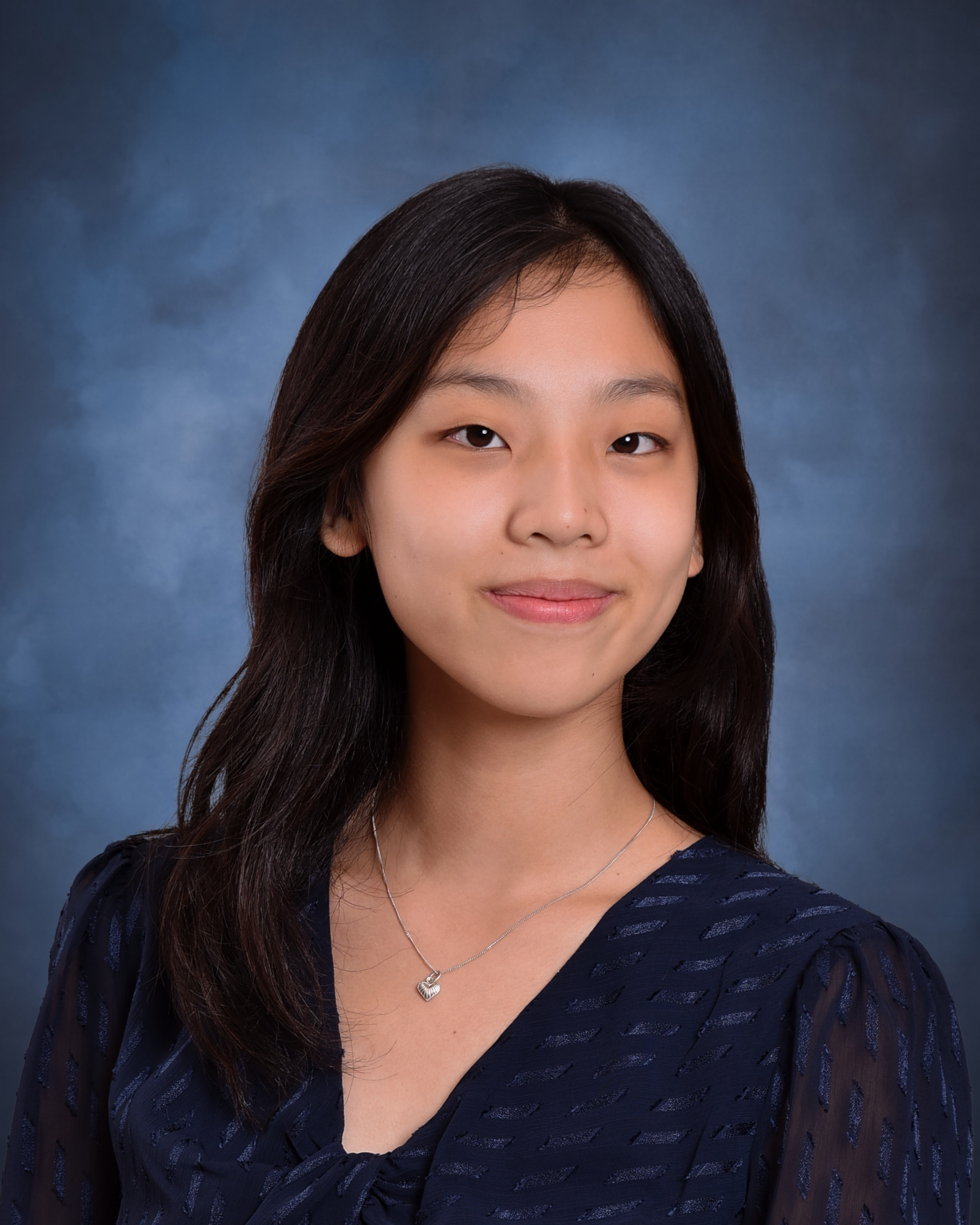
Ellen Wang
Hi, my name is Ellen Wang. I recently graduated Lexington High
School, where I served as editor-in-chief of the school
newspaper and class officer. I am on the US International
fencing team and a rising freshman at Stanford University.
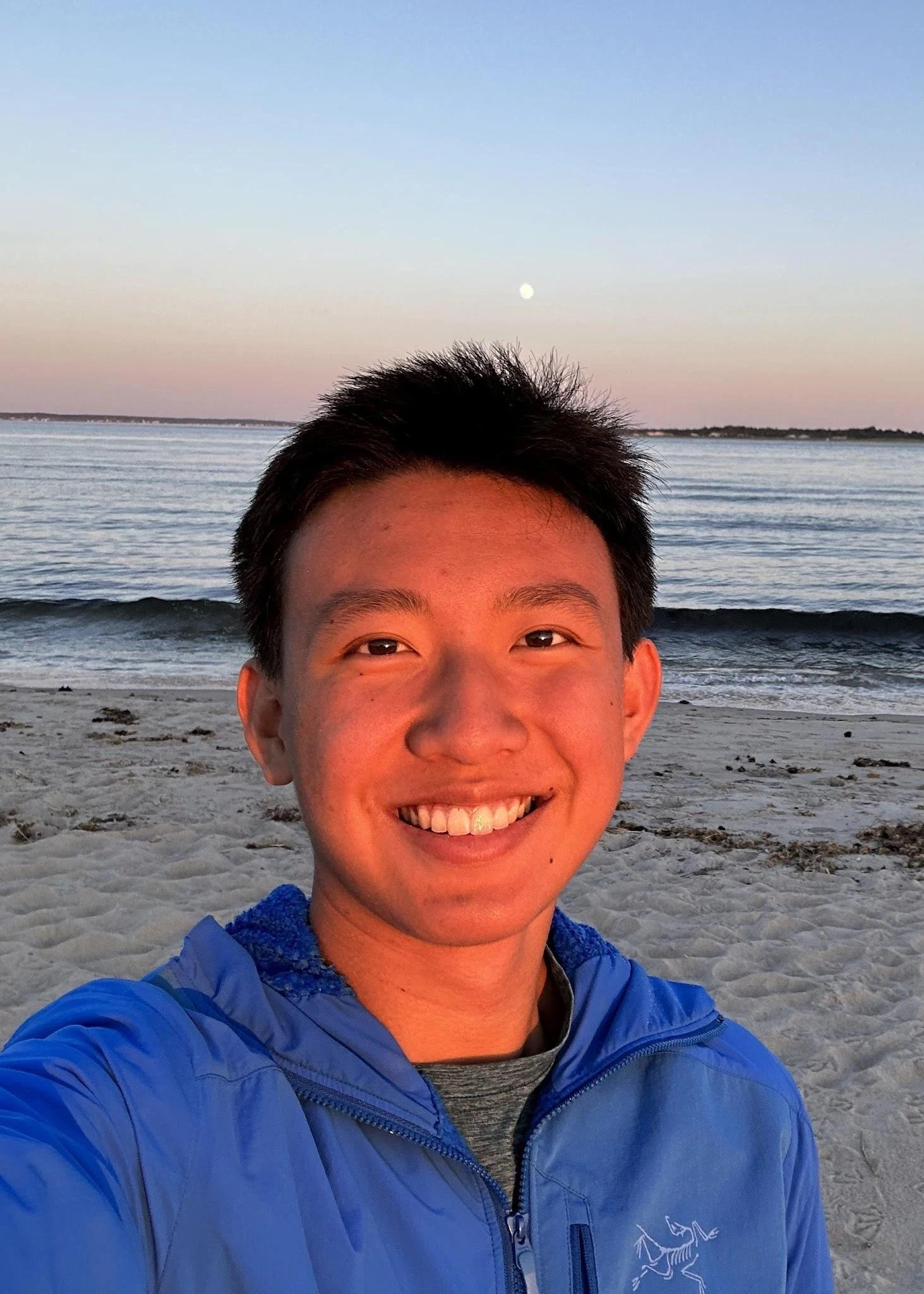
Jaime Yu
Hi people! I’m Jaime, a rising freshman at Stanford who loves
all things engineering and earth science. I am the former
captain of various STEM clubs at LHS (envirothon, science
olympiad, ocean sciences bowl), student researcher, and past
team member and current mentor of the US Earth Science
Olympiad Team. I spend nearly all of my free time outside from
hiking, climbing and running to building random shenanigans.

Lotem Loeb
Hi! I’m Lotem and am thoroughly experienced with LPS in the
realms of academics, visual arts, civic action,
extracurriculars, and community service. I enjoy reading,
immersing myself in nature, and listening to all types of
music; and doing all three is my favorite!
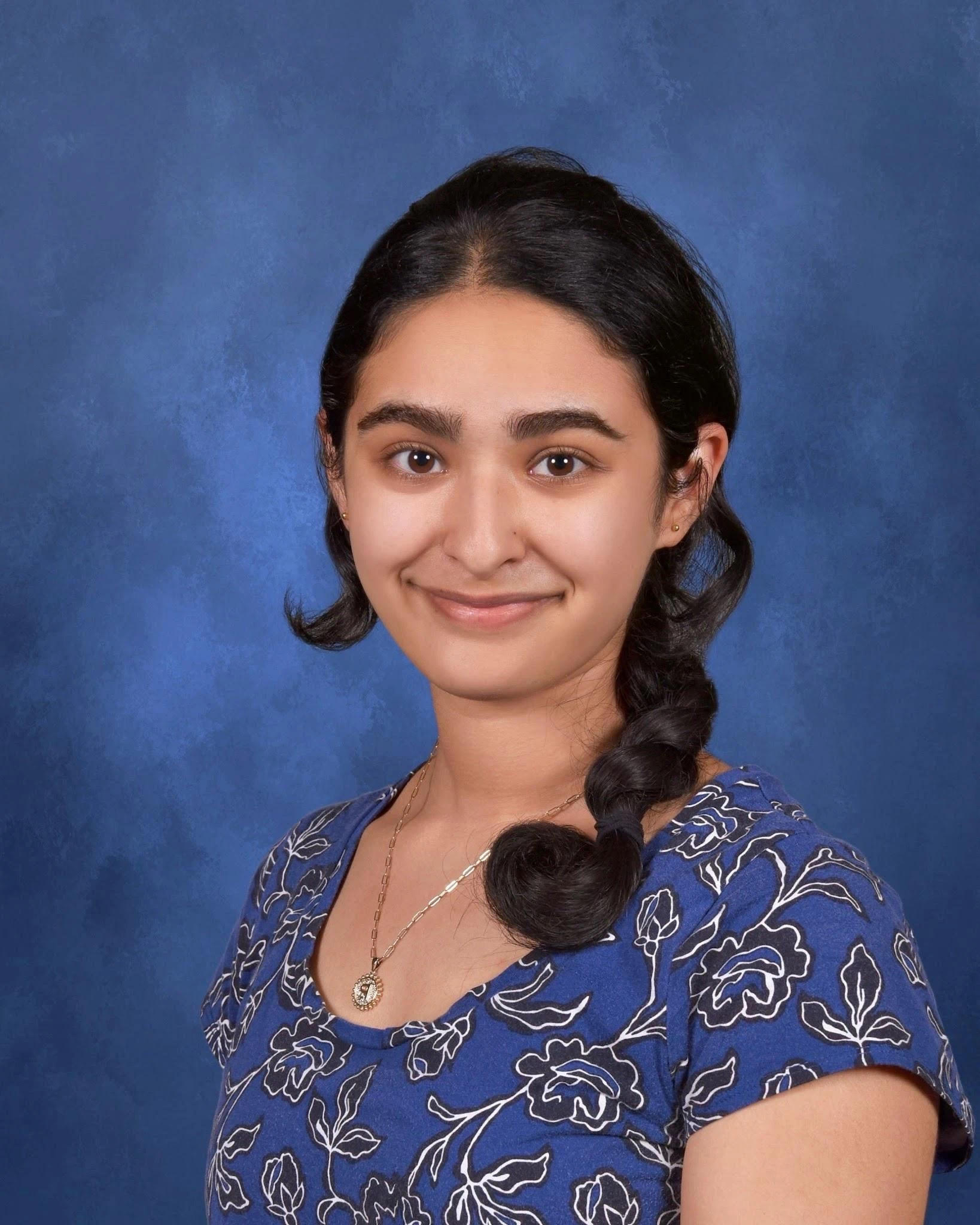
Pria Sawhney
Hi! My name is Pria, I’m a rising freshman at MIT planning to
study chemical engineering. At LHS, I was a club captain for
FIRST Tech Challenge team 4029 and a captain of the National
Ocean Sciences Bowl team.
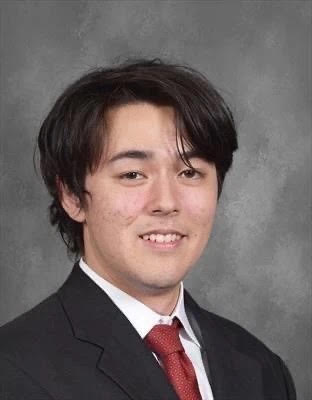
Jason Alexander
Hi, I'm Jason, I'm a rising freshman at UMass Amherst majoring
in computer science and philosophy. Throughout my time at LHS,
I had a lot of fun exploring different career paths, looking
for ways to combine my interests with my skills. In my free
time, I like working out and playing video games.

Isabel Li
Hi! I’m Isabel, a rising freshman at Harvard majoring in
neuroscience. During my time at LHS I danced ballet, led
cultural events/programs, and explored neurobiology through
the realms of civic impact and research. In my free time I
like rewatching Ferris Bueller’s Day Off and losing at board
games.

Alicia Li
Hi everyone, I’m Alicia Li, an incoming freshman at MIT. At
LHS, I was part of Math Team and LexMACS, along with being the
student spokesperson for Lexington in Conversation. I
qualified for Math Prize For Girls 3x and have been
researching and studying at MIT PRIMES for 5 years. In 2020, I
founded the organization Watch To Donate, with members from
around the world, using technology to allow people to donate
to charity for free. In my free time, I love to dance!.
Panel Prompts: Section 1
1. What were your high school activities and what were your extracurriculars throughout high school?
Alicia: Hi, everyone. I'm Alicia Li. I'm an incoming student
at MIT. So in high school, I mostly did a lot of math and
computer science stuff. So the biggest thing I did was MIT
Primes, which is a research program. So I did adversarial
reinforcement learning research for two years and then the
year before that, I studied theory of computation. And then
the two years before that, I did recreational math research
all at MIT primes. Outside of primes. I also founded a
nonprofit called Watch to Donate. And we essentially provided
people ways to donate to charity for free. So we did this by
developing two mobile apps where people can play games and
then the revenue is donated. I'm really combining my passion
for computer science and technology to help others. Outside of
that I was also involved in Lexington Conversation, which aims
to diversify our school curriculum, as well as I danced for 15
years and I was part of the math team and also Lex MACS, which
is the math and computer science club.
Audi: Hi, I am Audi. My main activities in high school are
robotics and swimming. For swimming I did for many, many
years, like 15 years-ish. For robotics I picked up in middle
school and continued to follow that throughout high school. I
also did a lot of other clubs: like. school store, debate,
band, frisbee, and softball. Outside of school. I did mostly
swimming and a decent amount of tutoring and teaching. Over
the summers, I intended to do more summer camps instead of
research..
Ellen: Hi, my name is Ellen. I'm a rising freshman at Stanford
University. I have been on the US National Junior and Cadet
fencing team and represented the US to compete in many
countries for the sport. I served as editor in chief of the
LHS school newspaper - the Musket and was also elected for
three years as one of the four class officers of the LHS class
of 2023 Student Council. I'm also part of the Youth STEAM
team, a writing teacher for middle school students at a
non-profit organization, and I have co- authored academic
research papers.
Eli: I'm an incoming freshman at Harvard. I plan on doing
computer science and philosophy and in high school, I played
soccer a lot. That was a big thing that I did outside. I also
coded my video games. I created a custom newsletter and
reached out to local newspapers here, particularly the
Lexington observer. I then created a Lex budget simulator
which basically told how much of your tax money was going to
which things so I built the website for that. And then on top
of that, I also was the captain of the Lexington soccer team.
And that was kind of my main extracurriculars, and I've also
done tutoring on the side and have hosted a moderator issue
discussion group. So those were kind of my main activities.
Isabel Li : Hi, I am Isabel and I am an incoming freshman in
Harvard University in Neuroscience. Most of my time outside of
school is at Ballet. I competed in Youth American Grand Prix,
universal ballet competition etc. and qualified as a finalist.
I think dance was an activity that was closest to my heart
just because I just love the community so much. I also found
it a pen pal club and ran my own business where I taught
English to kids in China. I published biochemistry research,
volunteered in simulated organizations and shadowed interns
during the summers. I was also co-president of the youth
against Alzheimer's club and on the side I ran a baking
fundraiser with friends and won gold at our regional
competition.
Jamie: Hi, people. My name is Jamie. I am also an incoming
freshman at Stanford this year along with Ellen, and like
Ellen I spent some of my high school fencing although not
nearly as much as she did. And in high school. I was the
co-captain of Science Olympiad, which is a science club and
also a co-captain of the National Ocean Sciences bowl along
with Pria here, and Envirothon. I did a lot of school science
clubs, mostly in the fields of earth science as well as
engineering so I did a lot of building things and a lot of
talking about Earth. And in Envirothon, I spent a lot of time
talking with the Town legislature about town budgets, etc. I
did some research for a while on ocean thermal energy
conversion. I was also part of the United States Earth Science
team and competed internationally in 2021. And since then,
I've been a mentor at the team. And in my free time I do spend
a lot of time outside. I spend a lot of time hiking, running
etc.
Jason: Hey, I'm Jason. I am planning to go to UMass Amherst
for computer science and philosophy. I guess my biggest thing
that I did during high school was that I participated in a
summer project at Microsoft working for a car manufacturing
company using augmented reality with AI visuals like detection
of text as well as finding machine manuals on factory floors
to improve worker safety. After that, I also worked a little
bit on making up a book but I didn't finish it in time. But I
was working on a book for the consequence, this of like the AI
explosion we see right now and like the ethical implications
that in society so I was working on that. On the side. I did a
lot of tutoring at different places. I taught tennis for like
five years. I also did piano and then I volunteered at some
clubs in school. I volunteered in a club where we like
revamped the LHS school website. So that was pretty fun.
Lotem: Hi, everyone. I'm Lotem. I'm also a rising first year
at Harvard. Throughout high school, I attempted to be involved
in a range of extracurriculars that shifted throughout my four
years, which mirrored and also in birth, my personal
development. I forgot to mention that I'm planning on studying
psychology and biology. My biggest activities were project
851, which is actually outside of LHS. It's a youth service
organization which encourages eighth graders across
Massachusetts to learn to serve in their communities. I
started off in eighth grade. And then throughout my four years
in high school, I assumed different mentorship and leadership
roles. I also worked for, or I volunteered for a Russian
School of Math mentorship program, which works with elementary
school students. And then I became the Executive Chair for
that for two years. During the summers I mostly focused on
volunteering at camps and doing a lot of photography
activities. I also was in a bunch of clubs at LHS including
folio, the art magazine where I was an art editor. I was a
leader for the senior pen pals club, and I had a few other
things and I started off by playing soccer on the JV girls’
team. But I decided during the pandemic that that wasn't
really for me. Throughout my high school career, I assumed
different roles in different clubs and was mostly using it as
a way to feel comfortable in my extracurricular skin, my
academic skin and also just for myself.
Priya: Hi, my name is Priya. I'm an incoming freshman at MIT
along with Alicia. So going into high school, one of my
biggest things was showjumping. I rode horses competitively
for almost 13 years of my life. So that was one of the biggest
things I did. Along with that I also worked at my barn so I
was teaching younger students and I also volunteered at a
local therapeutic riding facility. And then going into high
school, I continued with science bowl. I kept mentoring the
local middle school diamond Science Bowl team. And I also
started a National Oceanic Science Bowl, which I ended up
being a co-captain along with Jamie, but instead of earth
science, I was studying marine biology. And then in COVID,
riding kind of stopped for me, and I picked up robotics and I
ended up being a club co- captain for one of LHS robotics
teams for 292 Bits to Byte and so on that I competed in FTC
(FIRST Tech Challenge). Throughout my summers, my first
summers were primarily more summer camps teaching for local
math camps. I got my sailing certification, stuff like that.
And then as I got older, I spent one summer working in a
corporate lab, doing kind of biomedical chemical engineering
research and then my last summer working at a Harvard MIT
affiliated kind of biotech lab that was more academic and less
corporate.
Alicia: So I've always been a math girl, like math has just
been my favorite subject. And I think math is a good
foundation to have if you're pursuing any field of STEM, which
is why I focused a lot on Math competitions. I did like AIME
five times and Math Prize for Girls three times, which I
highly recommend applying for, and then I wanted to branch off
into research just to see what it was like. So that's why I
did MIT primes. And I founded my nonprofit Watch to Donate in
the summer before sophomore year, just as like, I don't know,
I just wanted to do something because it started off as just a
YouTube channel in which we like to make videos and then the
revenue is donated to charity. And I just wanted to do
something because there were just so many issues back then.
And there still are a lot of issues now. And as a student I
felt like I couldn't really do anything about it. So making
videos was just the way that I knew how to do and then making
apps as well. And then outside of that I have been dancing for
15 years. I love it so much.
Audi: In school stuff, I mostly chose to take the harder STEM
courses. One of the things I ended up regretting was taking a
course in humanities that was really challenging for me. I
took it because I thought I had to. For senior year, I ended
up taking the courses that I wanted to take even if there
weren't many people I knew taking. That was sort of school
wise. Extracurricular wise I ended up sticking with swimming
because I was pretty good at it, and I had made a lot of
pretty good friends. Even though I joined a lot of clubs in
freshman year, which I do recommend, I ended up sticking with
robotics and met a lot of really close friends that I would
spend hours every single week with. And also, one thing I
enjoyed a lot was community service and I ended up tutoring in
English and computer science. And that was a way for me to not
only help my community but also in a way I learned a lot by
teaching other people.
Ellen: I always loved reading and writing since I was young,
and my freshman English teacher happened to be the club
advisor for the school newspaper. In my sophomore year, I
joined the Musket as staff writer. Through my involvement in
this club, I found inspiration to teach writing classes to
young female students. This mentoring process ignited a deeper
interest in research and academic writing. As for my
unexpected journey into student government, it all began as a
random idea to run for an election. I decided to give it a try
this. To my surprise, I found great enjoyment in serving on
the Class Council board and contributing to the planning of
events for the Class 2023. My journey in fencing began at the
age of eight and a half when I decided to try out a lesson. It
was quite a random choice, considering I was already involved
in other sports. However, from that very first encounter with
fencing, I was hooked, and my passion for it has only grown
stronger ever since.
Eli: So in my experience, I have found the best way to find
which activities you actually want to pursue is by casting a
wide net. So trying a bunch of stuff out and then kind of
narrowing down from the things that you really enjoy and kind
of the aspects that you really like. So, from a young age, I
kind of realized that I really enjoyed problem solving. And I
remember there was this one Christmas break, it was in like
seventh to eighth grade, when, you know, I was looking up on
YouTube and I found some cool coding videos and I was just
like, oh, this is awesome.
Isabel: I definitely agree with Eli that casting a wide net
it's a really great way to find out what you like to do. Going
into high school I basically just did dance and didn't have
any idea of what I liked. My freshman year I'm like Audi. I
was not prepared and I didn't sign up for any clubs. I joined
two clubs in the middle of the year. But yeah, so that first
half of the year, I didn't do anything and I didn't really do
anything to help me explore. But I think just the second half
of freshman year and then going into sophomore year, I explore
different things. And I figured out that I liked dance,
Chinese culture and science. And so not only did I pursue
these interests separately, I also explored them in
combination. For example, I wrote a paper on the science
behind dance and another time, I helped put together a dance
performance for a Chinese cultural night so even though I
liked a lot of things, I kind of managed to see how they work
together. And my other pursuits kind of history and baking
were mainly just for fun and I think they were also part of my
exploration.
Jamie: I totally echo what everybody here has said which is to
try everything. But then a big question is how do I try
everything? Like there's so much stuff. Do I even know what to
try? Or how do I even know that there are things to try and
what I found super useful is listening to your friends and
especially old school friends like when I went into high
school a lot of the clubs I tried, because my coaches in
middle school, these were the clubs they did and they thought
it was awesome to be, like Jim, you should try this is a
chill. I'll try and they ended up falling in love with it.
Another thing is just because you don't like it the first time
doesn't mean that you can't try it again. Like I always
thought Earth Science was super dumb. It's like, you're
learning about rocks. But now like that's all they do every
day is I learned about rocks, which like there's an
interesting side to everything. And it's partly what you're
good at. Right, people naturally like doing what you're good
at but at the same time, like you can totally do things that
you absolutely suck at if you like, if you enjoy doing it. For
example, today I just rode on a bike for an extremely long
period of time and I'm really bad at biking. My friend is so
much faster but I had fun so I tried it. And lastly or not
lastly, but another thing is the community around you matters
a lot. I tend to join clubs and communities where I really
respect every individual that I'm working with. Because I want
to be surrounded by people who I can learn from, and I want to
be like these people. I want to surround myself with the
people who I want to be. I think that's like a big part of
everything that I chose to do.
Jason: Yeah, I completely agree on the idea of casting a wide
net. So for me the reason why I like it all again, like the
reason why I eventually got to computer science is what I
wanted to do and why I chose those activities in high school.
For the longest time and like elementary school and everything
I loved writing so much I would write so many stories. I was
like a young kid, I tried publishing books, and none of them
were, but it was just because I had a passion so that okay,
I'm going to be an author when I grow up. No, I decided in
middle school, I'm not going to be an author. I'm going to be
I think I wanted to be a philosopher and then I realized I
don't want to do that. I want to maybe make a little bit more
money and have more of a concrete impact on the world. So
that's it, okay. Architecture Design, I can still have a sense
of art and I love the idea of people like walking into
buildings and making stuff and so I went around. I went to a
lot of different colleges then with my parents because they
were like, 'Okay, gotta start thinking about college,' right?
I had a call with one of my friends whose one of her family
friends was an architect. And he tells me this horror story of
his college experience and talks about work life balance in
architecture and design and all these things. And I was like,
wait, this doesn't seem sound for me. So now I'm left here.
It's high school starting it's like, it's like the end of
sophomore year, like half of everyone else in the school
already knows what they're doing. They have so many things. I
have nothing. I'm sitting here my entire trajectory is off,
right? I swore when I was really young, I would never do
computer science. And then I decided, well, this I have to do
it and then I would force myself to like it and I think was
pretty successful. So I chose extracurriculars that would set
a reasonable timeline that I could catch up to a point where I
could get into college I'm happy to go to. I started off just
trying to learn by myself and I tried to just work on things
like teaching places and getting internships. But now that I'm
past that point, I'm trying to get back into seeing where my
passions are going. I'm getting back into a double majoring in
philosophy and trying to write a book again, because I think
eventually your passion does call when you come back to it. So
even though I stressed a lot about college and I felt really
lost during it, I did struggle through that. I think in the
end I picked a path that was logical, but I still left myself
room to eventually find my way back to who I was.
Lotem: I am trying to further echo what was already mentioned,
because it really is very wise. We're speaking from four years
of experience here, all with different interpretations of the
LHS and LPS curriculum and experience. Although we can mention
some of the ills that are associated with Lexington High
School, there are also a lot of positives, which is a lot of
it boils down to exploration, and so many things being
available to you.In the beginning of my high school, I was
kind of in this echo chamber of needing to do certain things.
You need to commit yourself to something and then not give up
or not change. And my freshman year I didn't cast a very wide
net. And I don't think that actually was terribly bad because
it allowed me to have time to adjust to LHS. And playing
soccer allowed me to know some of the older students and to
have their advice at hand. And then as I started to listen to
myself more especially through isolation with the pandemic and
amble reflection. I was able to actually realize all of the
available opportunities at LHS and beyond. And this allowed me
to dive deeper into community service. I also failed to
mention in my activities answer that I was a part of something
called LHS Chat, which is a student and teacher run club,
which facilitates community conversations regarding race,
racism and social justice. So as a facilitator, I also helped
curate a lot of the meetings and I also worked the job my
junior and senior year, which for a lot of people is not
entirely typical in Lexington, especially if you're very
committed to your academics, but I was trying to listen to
myself in terms of what I needed if I needed to relax or I
needed to do more things because I was really passionate about
community service, and about social justice or even about art
and I tried to focus less of what was best for my resume and
more so what was best for myself, which also took a while.
Priya: I don't think I have the most insightful answer to this
question. In terms of the activities, I pursued in high
school, they all tended to be kind of continuation of what I
did in middle school. I think middle school was a big kind of
exploratory period for me, and I found that I really like
stuff like hands-on building and engineering. That's why I
pursued robotics. I’ve been involved in it since I was in
second grade. it's kind of all led up to that. Same thing with
writing started when I was super young, and fell in love with
it and continued it. But I think high school for me was really
less kind of finding new things that I loved and more just
like building on this journey that I've already been on for so
long.
3. How did you take advantage of the resources at LHS or surrounding LHS?
Alicia: For me, I think it was mostly like teachers, so I was
always super engaged in all of my classes, especially when I
remember my freshman year English class. I participated a lot,
had some interesting, wacky ideas. And my teacher actually
invited me to Lexington in Conversation because the director
of that group was looking for people who really liked reading,
students who really liked reading. So yeah, definitely just be
super engaged in your classes so you can get those kinds of
opportunities. And it's just like, it elevates your learning
if you actually care about your classes and try. And I guess
another example is AP chemistry. I was super involved in
always asking, Pria can attest to this. I'm always asking the
questions to try to stop my teacher. And from that I developed
an interest in theoretical science. I'm really just trying to
get the most out of your classes and your teachers because
they are there for you.
Audi: I definitely agree with Alicia. For me, connecting with
a lot of teachers was important. It definitely helped me
through some tough times. Because many times if you're
struggling with homework load, as I did, since I took a lot of
classes, teachers will help and you ask for extensions. And
doing that helped me a lot to get through. You can always ask
for help. Even if you're like, oh, no one else is asking for
an extension. You can always ask for an extension or ask your
teacher “can I talk with you about this test? I'm worried
about this.” Really, anyone is willing to help you. You just
have to reach out first. As to activities, I think it's kind
of hard, harder to get into different activities as you go
through high school because that's when everyone kind of
starts choosing. But I felt in LHS for freshmen and
sophomores, there's always the activity fair so all the clubs
will set up their little booths. And you can type email into
literally every single Google form that anyone has and you get
free candy, and then they'll send you emails. And even though
you might think, oh, I have to commit to all because I signed
up to. No, you do not have to. What you can do is just sign up
for clubs to maybe attend a few meetings. If you like it, then
continue with it. And if you don't then you can just say
“unsubscribe”. That’s it. And even if you don't end up
sticking with a club, you have met a lot of people in your
grade and it's overall very useful. That's my advice.
Ellen: there's a lot of great teachers at LHS like many of us
have shared and these teachers are willing to help you. But
many times, you need to be proactive and build up the courage
to go out of your way and sometimes ask for help. There is a
common misconception that seeking help may make you appear
less intelligent, But I think that asking for assistance is a
really great way to develop interpersonal skills and can
significantly contribute to your growth as a student, and many
teachers have office hours which are after school, you can
drop by and just ask some questions or get some clarification
if you have problems. And I also think your parents are
another resource that many people often neglect or forget
about. every family is different, but I think during my high
school years, when I encountered difficulties, I think opening
up to my parents also helped me a lot and they gave me a lot
of advice.
Eli: You know, looking back, I also personally think with LHS
in particular, I did not do the best job of actually taking
full advantage of the resources that were provided to me other
than soccer, which I absolutely loved. I didn't join any clubs
and I also don't think I took good enough advantage of the
awesome resources that our teachers there until my senior
year, which I think personally is a little too late. That
being said, I was able to like that I tend to be a very
entrepreneurial person. I like building my own things. And I
was able to get in contact with a lot of people in the
Lexington community who loved helping people out. And that was
a huge resource that I found to be very useful. And I got in
touch with a stem youth group, which was an awesome experience
to actually get hands-on coding experience. I was able to get
in contact with Lexington Observer, which is a local
newspaper, which I also thought was an amazing experience and
also gave me hands-on abilities to actually code projects for
them and stuff like that. I did some freelance web dev on the
side. But I have found, you know, the biggest takeaways that I
had, were if you want to take advantage of what is already
there, join clubs and find people that are excited about the
same things to you. And really take advantage of that. And if
you want to build your own thing, you're going to have to be
more proactive and reach out to people to see if they are
interested in what you're doing. Or if they have advice or
things like that people love thinking that they're helping
other people. And so giving them the opportunity or joining
them is a great way to do that and also provide yourself with
a lot of opportunities. So that has been my personal
experience at LHS, take advantage of teachers and stuff like
that, ask them a lot of questions. I think that is a big
regret of mine. Looking back, I wish I did more.
Isabel: I was kind of like Eli, I did a lot of my own things.
I created my own projects. And I think kind of the hardest
part of doing that is reaching out sometimes to cold emails,
sometimes you have to even ask a teacher and I know it sounds
really scary, but like the worst thing they can say is no. And
plus, they're probably really honored that you sought them
specifically. I kind of utilize my teachers a lot and also my
upper classmates. There were some things I wanted to do, you
know, maybe my upperclassmen did something similar, and I
asked them about it, and I think everyone's really happy to
help. I also think that teachers, there are some like, for
example, my APUSH teacher was the one that got me linked to
the history competition. So there are small little, like,
resources that teachers have that you can ask.
Jamie: I think that in my opinion, the most important resource
about attending school in Lexington and also about where you
place yourself in life in general, is once again the people
that you can surround yourself with. And the best part about
Lexington is that there's such a strong community of people
that really care about what they're doing, whether it be from
science to humanities, and, for example, I do a lot of science
and there's a really, really strong both research community
and Olympiad community in Lexington and I found that these
people are super helpful for introducing you to things that
they should try. For example, in ninth grade, my captain at
that time was like, Yo, Jamie, you already know all this
random stuff, why don't you just try taking the earth science
Olympia and I was like, why? What is this thing? And these
people can really introduce you to a lot of other things. And
also, don't be afraid to ask the people who are older and have
already done it at once for help. If they don't have time, the
worst that can happen is they tell you they don't have the
time. And lastly, make sure that you work with your friends.
For example, I might be able to help you with physics or math,
but I suck at grammar and I might help my friends for like 30
minutes on physics, they might help me correct all the
misspelled words I have for a little bit so it's always like
an hour long. An hour spent with your friends and helping them
it's never an hour lost but it's always fun and you build
connections. And they're like resources that you can use in
the future.
Jason: Yeah, so before taking advantage of the resources at or
surrounding LHS I think a really good rule of thumb that I
wish I had followed more is just, if a clear path doesn't
present itself to you, you have to force a clear path for
yourself. Like I had an issue of like my idea of getting into
colleges, I was taking a very linear process. I would do one
thing that would lead to another thing that would lead to
another thing. I'm very slowly going but then I think looking
back at it, I realized that a lot of the people that succeeded
found ways to jump ahead, perhaps they were just really smart
already. Or they already studied things for a while and when
they were kids, right? But even if you feel that you have a
disadvantage, you're still able to put yourself out there and
you're still able to leverage yourself. Like this isn't
necessarily about college, but I realized that after college
that I need to do this, so I was like, Okay, I don't know how
my friends are getting research stuff. That seems impossible.
I want to do that. I just emailed every single faculty in the
UMass Amherst campus for research stuff, and then I got a
bunch of answers. I think it's just like the same thing as in
LHS where you really got to put yourself out there and if you
feel like you're kind of done trying. Like everyone else is
doing so many impossibly cool things and you have no idea how
they did it, a lot of them probably just walked into it. Or
they found like really, you know, fortunate ways of getting
into things like, a lot of what you're talking about, like if
you have certain teachers that like came up to you and offered
you things or like you found teachers that inspired you. If
you don't feel that you're getting those same moments that are
really inspiring you or giving you opportunities, it's always
possible to make those for yourself and LHS does a very good
job of giving you those opportunities to go and put yourself
out there.
Lotem: As Jason and Jamie just mentioned, throughout high
school, I tried to forge my own path instead of following the
typical things, that are the typical expectations. So that
meant not really listening to upperclassmen, instead,
listening to my friends in terms of academics but not so much
extracurriculars. Having or listening slowly and reluctantly
to my parents, because they do have a lot of advice as well as
teachers. And I think that Alicia mentioned this, but
participation is very, very important. Although you might be
really thinking about your social circle or who you need to
meet or what activities you need to do, you are at LHS to
receive a good quality education. So that means investing time
in your academics and investing time in forging relationships
with your teachers, as well as social relationships. I think
that I didn't take enough advantage of the STEM opportunities
at LHS just because everything is already so stem focused. And
now I kind of regret that but I also had a very closed off
social circle, which isn't necessarily bad. But that meant
that I had to find a lot of my own opportunities, which I'm
glad I did, because it allowed me to understand myself in a
much deeper way. I think there's also a lot of wisdom embedded
in LHS. Whether that's talking to upperclassmen, or your
teachers or even just listening to what people say, but you
need to listen in a very specific way. Because it's very easy
to get caught up in the noise like, oh, everybody's doing this
or I didn't get a good enough grade on this test. But you need
to prioritize yourself and your well-being, and then finding
what is best for you which is really hard. I'm not saying
this. It took me four years and I still don't think so. I'll
do it as well in college, but it's really just listening and
learning and it's a continual.
Pria: So, I think I'm a bit different than some of the other
people who give their answers first, when it comes to actual
school and academics. I tended to kind of go on autopilot and
I didn't really engage that much with faculty in terms of
going to office hours and things like that. I will say the
point that Lotem made about class participation just cannot be
understated. Like you learned so much more though, if you're
answering questions and you're talking to the kids at your
table. I think I honestly personally understand topics best
when I kind of sort of understand them and then try and
explain it to somebody else. So really engaging with your
table groups and stuff like that. Like there's a reason that
your tables are like clumped together and like desks of five.
Other than that, I think echoing what Jamie said about really
talking to your upperclassmen and people who are older than
you. A lot of the clubs I joined ended up joining not only
because I had experience with them, but I also was mentored by
people who were current captains and things like that. And I
think there's a lot to learn from people who are kind of going
down the paths that you want to pursue in the future. Like
I've talked a lot to people who you know, went on to become
engineers and things like that or went on to, you know, attend
colleges that I really, really wanted to go to. there's
definitely a lot to be learned from the people and also LHS
does have a lot of resources in terms of libraries and
databases and things like that. And when it comes to college
admissions, I don't know if the webinars are going there but
like Naviance there's a lot of data there that you can learn
from and it really helps you, you know, build your college
list.
Panel Prompts: Section 2
1. What was your favorite class and your favorite teacher that made the biggest impact on you?
Lotem: This was a clear answer for me. And Eli can maybe
attest to this. It was my British literature class senior year
which now has changed the name, and it doesn't sound as good,
but I swear it was amazing. It was with Miss Conlon. She's an
English teacher I had for junior year. It was really engaging
because it was a tiny, tiny class. We had, like 11 people, I
think, and everybody was engaged with the material. We were
forced to ask questions and participate. And the reading
material is quite interesting. It was Shakespeare, Sherlock
Holmes and post colonial authors. The class activities were
all great. And I felt that there was such a good environment,
both socially with the teacher and participation. So I really
enjoyed that, even though I'm not planning on studying
literature or humanities in college.
Pria: Yeah, I'll keep it short and sweet. My favorite class
was honors Precalculus in junior year, and my teacher was Mr.
Werner. I think there might be some mixed feelings regarding
him, but I really enjoyed it. I thought he taught the class in
a really engaging way. He kind of forced you to take the next
step and figure out how a particular theory or idea worked,
which I found really helpful. He was also an accessible
teacher. He was always there after school. I'm not somebody
who has to go to office hours, but there were periods when I
struggled. And he helped me see that, sometimes it's not
really a question of studying harder. He helped me understand
that I understood the content. I think he really understands
what it's like, you know, at LHS, which some people might
argue is a competitive high school or a high school where
there tends to be some extra pressure. So he's very in tune
with the student body and what people's aspirations and goals
are and I highly recommend them.
Jason: First of all I gotta give a big shout out to Mr. Wilson
for AP US History. I'm a little biased because I love history
personally but also he's just an amazingly entertaining and
really witty, sometimes insightful teacher. He's really
supportive all the time. I remember one time when I got last
place in the class. He sat me down and he was like “keep
trying”. He's very motivational. He is a teacher that will
really make you feel that you can do it, even if you don't
feel like you can. My other favorite teacher is probably Mr.
Brunner, who is a little bit controversial, but he is the
nicest man I've ever met. In the winter break of my senior
year, he went out of his way to help me with my college
application. He stayed after school with me to talk about it
because I was really stressed about it. He is a very harsh
grader, but he will teach you well, and he is an amazing human
being.
Isabel: So this question was one of my biggest questions
during high school. I'm a pretty introverted person. There was
a period of time in COVID, when I was just sitting in my room
and doing nothing social. And honestly, I think it's a great
thing to know what you like. And if you want to connect, email
is one of the less stressful ways to go. I had to build up the
courage to do that as well. But remember it's just a few
sentences, and they see it for a second, and they can decide
what they say. And also, whatever you think is a big deal,
like how are they going to respond, or what are they going to
think about me? It's not a big deal to them. To find the
people, I would say, just find a community, join a club. And
if you don't have one already, upperclassmen, teachers, school
counselors are also great resources. And also, you can email
alumni for support or help and I think all of us would be
really glad to give you help.
Jamie:I personally think that clubs are a great way to meet
people if you are a bit introverted. I know tons of people in
my clubs who are really introverted and that's just because
you're forced to work on this thing together, like it or not,
you're stuck in that space. So you don't really have to
initiate being social. It kind of happens naturally. If you
work on the project together with somebody, you're going to
become friends with them. So clubs are a great way. And for
things like emailing your teacher, you might feel your email
is terribly embarrassing, but A, it's definitely not that
embarrassing from the other end.
Alicia: I am also a super introverted person. Especially since
I came to Lexington in ninth grade. So I was absolutely
terrified. I'm just thrown into Lexington with no friends. I
am an introvert. I was like oh my gosh what do I do? I think
joining the Math team definitely helped with that. So like
what Jamie was saying, joining clubs and getting that kind of
a support group. I think meeting with people through programs
like summer programs is also a really great way to make good
friends. Because you just find people who are interested in
similar things and you guys get really close after that, like
living in the same place for a couple of weeks. I think just
learning how to take risks and pushing yourself out of your
comfort zone definitely helps me a lot. For me, oh my gosh,
emailing is the scariest thing. I always overthink my emails
and everything. And so I prefer to talk to my teachers in
person. And I feel like that builds a stronger connection as
well when you talk with people in person.
Ellen: During my four years in high school, my commitment to
fencing consumed a significant part of my time. Weekends often
involved traveling to competitions, sometimes even
internationally. Being an athlete also meant late-night
practices, which required me to prioritize and manage my time
efficiently. To maximize productivity, I used to bring a small
lamp to practice and complete homework on the way there.
Sometimes, I'd continue working on the way back; it was all
about staying on top of my tasks. I recall a particularly
challenging instance when I flew back from France and went
straight to school from the airport. When I entered the
classroom, the teacher said, “Take the test now”. Some other
teachers may provide some flexibility; however, it was crucial
for me to take the initiative, be responsible, and maintain
discipline. Being a high school athlete is undeniably
demanding, but effective time management and the use of tools
like to-do lists and Google Calendar played a vital role in
keeping me on track. These strategies provided a preview of my
week and helped me anticipate and manage my commitments
effectively.
Eli: Yeah, so echoing Ellen, I personally did a lot of soccer.
So my junior year, it would basically be school then I had
like an hour and a half break after school. And then I would
play soccer which took I think four and a half hours. Then I
would have a little bit of time at night to finish up my
homework. What I have found personally is getting priorities
set in your head right. For me, family is number one. If
anything's happened with my family that's what I'm
prioritizing first. Second would then be schoolwork.
Schoolwork was very important to me. I wanted to be very
intentional about that. And then third would be the
extracurricular activities that I had. And then fourth would
be, you know, friends. And so with that prioritization, I then
used a Google Calendar and to do lists to make sure that I had
all organized. So I was very intentional about it. So I did,
you know, hang out with friends, have a little bit of a social
life, have fun, on top of doing the things that I needed to
do. And having those priorities really made the decisions that
I had very easy, because I could just be like, oh, you know,
this is a family thing. I need to do this, oh, this is a
school thing. I'll do this after the family thing, because I
prioritize family first. So that is how I approached it. And
that has worked well for me. And that's what I'm going to plan
on continuing to do in college.
Pria: So I'm going to tie this a little bit into another
question in the Q&A that's asking, how much free time did we
have in a week to do things other than study and
extracurriculars? I mean, to be honest, I did not have much
free time, if at all, but I think why it worked for me is that
I was able to really merge things. For me, having a social
life, and a social scene, merged almost with my
extracurriculars. Like some of my closest friends were in
robotics, so that when we were studying and practicing
together, it didn't really feel like work. And I think that's
why it's so easy. It was so easy for me to pour so much time
and effort into the clubs that I was doing. Additionally,
schoolwork also merged with that. For example, we had a
regional competition for robotics one day, and then I had my
psych midterm the next day, and then me and my friend who was
also taking that test studied together when we had a chance,
and it tends to work out at least for me. How it works with
academics is that however much work I have tended to fill
however much time I have. So I know whether I have like three
hours to get something done, or 30 minutes, I'm going to use
that time no matter what. So you kind of learned to be
efficient and focused, and get something done knowing that you
have to move on to something else in the near future.
Ellen: One of my biggest regrets was not dedicating enough
time to socialize and spend quality moments with my friends
during high school. My focus was primarily on sports,
academics, and extracurricular activities. Looking back, I
realize I didn't invest adequate effort into hanging out with
my friend and enjoying life. This summer, with many of my
previous commitments behind me, I've been prioritizing social
interactions and having fun. It has brought me a lot of
happiness and a sense of fulfillment. I've come to appreciate
the value of balancing personal goals with meaningful
relationships. I've learned that, while pursuing your
ambitions is important, it shouldn't come at the expense of
building and maintaining relationships. Investing time in
friendships and creating new connections is also crucial for
mental well-being. Knowing that there are people who care
about you, and reciprocating that care, strengthens our
community bonds and enriches our lives.
Audi: Yeah, so one of my biggest regrets from high school was
not really surrounding myself with different people until much
later in high school. In freshman year, I hung around the same
people, and that kind of, I think, limited my view on what I
could and couldn't do. So I ended up doing the activities that
my friends were doing. And then later in high school, I met
many new people through different classes. And that definitely
broadened my horizons. And that made me feel more comfortable
knowing that I could be friends with anyone in any of my
classes.
Jamie: I think one of my regrets, especially later on in high
school, is not trying more things. I think it's easy that once
you become good at something, or people think that you're good
at something, you have the expectation that you have to be
good at anything you try in this field. And then it became
really hard to try something new, because you're like, so what
if I fail at it? So I wish that during high school, also in
the future, and for all of you guys, that it's okay to try
things and fail at it, even if people expect you to be good at
it. And I promise that nobody is judging you that hard. I also
concur with what Ellen said, I think a huge part of life is
making connections. There's a lot of our world and how it runs
is built on the connections you have. So it's really important
to get that practice with making friends and interacting with
people during high school.
Lotem: I echo what Jamie has already said. But before I begin,
I'd like to preface by saying that I believe that regret is
kind of a waste of emotion. You don't really gain much out of
it. And usually it doesn't result in any proactive action. So
although there are things that I really wish I did in high
school, or I acted differently, I don't really regret what
happened because I need to move forward and learn from my
experiences. And as I am today, it is only because of what I
had previously done. So I had a pretty difficult experience
with my mental health, sophomore and junior year. And a lot of
that was related to my academic expectations. And what I
wanted to do with my academics and not so much of my
extracurriculars, but I felt like I was letting myself down
and letting a lot of other people down when that really wasn't
the situation. What was important is that I was trying and I
kept trying. I do regret taking everything so seriously. Like
even if you get a not so great grade on a test or you didn't
participate as much in class in one class or you have a really
awkward conversation with somebody in the halls and you feel
horrible about it or you just had a bad day, don't take it too
seriously. It's going to be fine. What's important is that you
keep going. And I know this sounds like a little cliché, but
it really is important to continue trying, especially in such
a cushioned environment. A lot of people will argue the LHS is
really difficult and I can say the same thing but I know that
I wouldn't be where I was today without the difficulties in
LHS. But also it's not college . Not really adult life. So you
make mistakes, do what you want, try a lot of things, because
you won’t always have the same opportunities later in Life.
Eli: I agreed a lot with what Lotem said personally. I think
my biggest regret In high school was that I didn't ask
questions when I had them. At the end of the day everyone has
these questions that they're worried that people are gonna
judge them, or they're gonna think that I'm stupid. That was a
big concern I had and I realized I limited the amount of
learning that I had. I struggled so much more because I didn't
just ask the dumb question. And I will also now be the person
who unapologetically asked somebody to explain the same
concept five times over and I've realized I get a much better
foundational understanding of the content as a result. I have
been able to go a lot further in a number of other subjects as
a result of that. Particularly In math, there were a number of
concepts. When they were introduced to me, I was just like, I
totally get that, and later, I had absolutely no idea what
they were. I have found now when I don't actually understand
something, not only did I have that question but five other
people later would tell me ‘oh my god, I have the exact same
question thank you so much for asking that’. That was a
massive one for me. Another one is everyone's figuring stuff
out so just try new things. and if you fail, you failed. The
next thing that you do is learn from your mistakes and move
on. That's what's really important.
5. What is some advice that you wish you had taken more seriously in high school?
Lotem: I think that a very important quote, to internalize as
early on as possible. Well, I still haven't gotten this one
yet. But it's directly to some emphasis, the only constant in
life is change. Now, that's a very difficult thing to accept.
Because sometimes things are so great that you never want them
to change. And sometimes things are so horrible, that you
never think that they can change. So I need to work on
accepting that myself constantly. But I wish I could have
understood that everything will in fact, be okay. And to
persevere is the only choice because that is what life is.
It's perseverance. So there's a comfort to be known in the
impermanence of everything. And just make sure that you're
listening to yourself and not just going with what everyone
else is trying to do.
Jason: Yeah, so some more wise words. I think that something
that I wish I had paid more attention to, something that I
think should be said is, you are living your life. This is
your life, this high school experience is yours. And even
though there's a lot of pressure, of course, like we're in a
seminar like this, we're talking right now about college. Not
everything is about college. And also not everything is about
always succeeding. As we were saying, you have to persevere.
Basically, it's okay to always shoot for the moon. But also
you have to realize that it has to be you that wants to shoot
for the moon. Yes, you can be put into a position where, you
know, you're pressured to do great things, which is good. But
in the end, it is your life. And in the grand scheme of
things, it is more important to realize that we live our
lives, to tell stories about ourselves, and to make a story
that would make us be proud of ourselves in the end. And it's
our responsibility then to step back every now and then and
realize, why are the things that I'm doing important to me.
Why is it that I want so badly to go to such a good college?
Do I even want to go to such a good college? Is that a
forbidden question? Can I kind of question why I need to try
so hard for these? It's not forbidden to ask those questions.
Everyone's path is different. The nicest people I've ever met
in my life are the most humble people. I've worked in soup
kitchens with the most amazingly smart geniuses ever who have
thrown away what some people say, the opportunity to make
probably millions. But they've decided they want to help
people. And that is very honorable, because they're living the
life that they decided they want to live. And it's never the
wrong time to question why we're doing these things. So just
keep it in mind that as we say, yes, push on, persevere, do
those things but also step back and ask yourself if you truly
want to do this as well, because it comes down to that.
Jamie: That life is really not about reaching the final
destination. That's like, if you think about it, If you're
like, I just want to reach the final destination, like
everybody dies. It's kind of a really sad final destination,
or if you're hiking, if you just want to reach the final
destination, to the top of this mountain, then the rest of
your hike sucks. Or in the same way when I initially started
high school, I really wanted to win the state Science
Olympiad. So I did all this work to try to get there, but in
reality, what took 99% of the time is your work to get there.
So I think you really want to take the time to enjoy the
entire process and learn from the process, rather than just
get to the final destination.
Eli: Yeah, actually adding on to that, there's a really good
metaphor that I had heard that it kind of goes exactly off of
what Jamie was saying, but the person who likes to walk is
going to walk many more marathons, and the person who likes
finishing up, right, we all know those people who, you know,
finish a marathon, they posted on Facebook, they show all
their friends, and they never shut up about it. But the people
who actually break the records who push themselves even
further are the people who like doing the day to day work. And
like going through and running those marathons. Those are the
people like Eliud Kipchoge, for breaking the two hour marathon
record and are actually making a difference. And so the
biggest piece of advice that I was always given is, I actually
think I've kind of taken to heart at this point in time, but I
don't know if I really took it to heart in high school, is
finding things that you like doing day to day and actually
working on that,making an impact in the world and doing that
as much as you can. The opportunities from that will present
themselves if you put yourself out there and actually put in
the work. So that is kind of my personal experience with that.
I did that with coding. I'm now trying to do that. Or give
other people those opportunities through, you know, the
tutoring that I do, and presenting different ways of doing
that as well.
Audi: In my experience, what I mostly did to take the
initiative in school was to participate a lot in class. Zoom
class was awkward: the teacher would ask a question, and no
one would respond. And you're just like sitting at the
computer and staring for ten seconds, to be like, do I answer
or do I wait for someone else to answer? I know the answer,
but it's too late to answer. So, in general just trust
yourself, you know yourself best, like it's really easy to
fall into this pitfall of comparing yourself to other people
but you know yourself best. Make the choice that's best for
you and if it doesn't work out then you'll learn from your bad
decisions and make more good decisions. So yes, do that.
Isabel: So people told me that, every minute matters, then
it's easier to work as much as you can, because if you're not
working someone else is, or you're not maximizing your full
potential. And I feel like this advice was one of the things
that kind of ruined some parts of my year, especially during
sophomore year. Because it's just a cycle of guilt tripping
yourself into working. And, you know, it kind of justifies
all-nighters and things like that. And to that, I would say,
never feel guilty for self- care. Never feel guilty for just
saying, okay, that's it, I'm done, I'm putting my books away
and going to bed. Because at the end of the day, school is
just school and your health, and friendships matter infinitely
more. And also, if you really want to think about it from an
objective point, sleep is important for your function the next
day. And if you keep on going through the cycle, your mental
health is just gonna get worse and your academics are also
going to get worse.
Pria: Yeah, that was a really insightful answer. Mine is not
going to be that insightful. I was just gonna say that, when
you're in high school, there tends to be a lot of unsolicited
advice, running around about classes and how hard they are,
and who's a good teacher and who's a bad teacher. I would say,
take everything you hear with a grain of salt. Because a lot
of times, certain subjects just click for certain people, and
for other people, they might be a harder journey to get
through. And you never know what you're going to love or what
you're going to be really good at unless you try. So I just
highly recommend that if you're interested in something, you
should go do it. Like there've been a couple of classes that
I've regretted not taking during high school, because I was
worried that I'm not going to do well. It's going to bring my
GPA down. And now I'm gonna go with that stuff in college
instead. But yeah, really just go for it with classes. Don't
think too hard. Like, trust me. You can really manage anything
if you put your head to it.
Jamie: I think that this goes back once again to the idea of
just trying things. And a lot of taking initiative is even if
you yourself are not necessarily in a role where you have the
title to do something, or something may not necessarily be in
your jurisdiction, it never hurts to say ‘hey can I help with
this’. Because it oftentimes leads to or it opens up a gate to
a variety of other possibilities. So for example if there's a
task that is generally delegated towards the captains of a
club and you're not a captain, that doesn't mean you cannot
say hey I had this idea, this is my idea, would you guys be
willing to try it out. That's like a way of taking initiatives
that I often use a lot in high school. And I think that in
general it's not a bad idea obviously, like obviously you
always wanted to do this but it's not a bad idea to talk with
your leader and then work with leadership to incorporate some
of your ideas as well.
Lotem: I feel that I'm very fortunate to have the parents that
I do. But also sometimes it's easy to get frustrated with your
parents, when they're constantly offering advice, and wanting
to push you further. So it took me a while to accept the fact
that my parents are very academically minded people, and to
accept the fact that I'm very similar to them in that manner,
and in a lot of other ways. And I think what's important is to
listen to your parents, because they have a lot of years over
you, like they've been living for longer, they might not
necessarily be academic, or have the same opportunities that
you do as a kid. My parents didn't, they lived in Israel. They
immigrated here, and they had to do, they had to be very,
self-preservation. I don't think that's the right word. But I
was self-reliant, that to be very self-reliant and emigrated
to the United States, and also just finding and forging their
own path. And they offered me a lot of advice on how I can do
that. And even though I didn't always listen, they were always
important in helping me both. Like, maintain myself and
sustain certain habits, emotionally, socially and
academically. So although you might not like everything your
parents say, and I definitely didn’t, throughout high school,
it's very important to listen to them, to realize what they're
saying, and then think through it. You don't have to accept
all of it, but at least consider it for a bit.
Priya: So I think particularly in terms of like the college
admissions process, my parents were a very helpful resource,
because when it comes to college admissions, and like writing
your application, and stuff like that, your parents are really
like the only people that are truly in your corner and don't
have like, ulterior motives and stuff like that. Because even
with the college counselor I had, she's still trying to
maximize her yield of getting kids into top level schools and
stuff like that. So your parents are the only people that
really have that kind of in depth knowledge of what your life
has been like, and what you've taken part in, and they can
help you see, like patterns. And like, the way your story kind
of weaves together through your activities, and really helps
you kind of create a proper, really holistic application,
obviously, without writing it for you.
Jason: So in terms of parents, and what I think they helped
with, my parents were very into making sure that I was
independent. So it was like, well, you're paying for college.
And also, you're studying for yourself. Like, they were not
very big into helping you with anything. They were good
parents, but they made it very clear that my future was in my
hands. And I think that just helped me a lot because it made
me feel like at some point in my life, I have to eventually
step up and be responsible for myself. So I think that was
good.
Audi: One thing that my mom told me is this one Chinese Idiom
that's like “ba miao zhu zhang”, which is basically based on
the story of a Chinese farmer who wants his crops to grow
really, really tall and really fast. So he pulls them out of
the ground to make them just a little bit higher. And he's
like, look, all my plants are taller now. But then the plants
end up dying because they've been prematurely like, taller,
for lack of a better word. For me, that's what my mom told me,
was kind of her approach because I think it's, especially when
you're in elementary or middle school, it's really too early
to be forcing your kid to go in one direction or another
direction. And what I think really helped me was my mom being
there for me like supporting me from the sidelines. But in the
end, I was the one making the big decision in my life, saying,
I want to do this, and I don't want to do that. Like making
the hard choices for myself, because even though they were
hard choices, that was a learning process that I personally
had to go through.
Eli: So I have found that in my personal experience I am very
lucky as well where my parents have always been super
supportive about what I've done. You know for soccer I was
traveling every weekend to New York or Virginia where I'm
flying across the country to California and sometimes even to
Barcelona and my dad was always there. He loves Sports so he
loves supporting me in that way. And you know after almost
every single game and I'm always in the mindset of oh I did so
many of these things wrong, oh I could have done this better.
And something I thought about my dad and l, I think this is
something I have found to be very helpful, is he always asked
me and wanted me to look toward is not just what I could do
better which was always a default of my mind but also what I
did well. Right like in reflecting on a lot of my games, I
played terribly and I would mainly be focusing on one or two
specific moments of the game where I didn't make a great pass
or I didn't see the guy behind me. My dad would remind me that
in reality I played a very good game. And then there would
also be times when I would be feeling on top of the world
because our team won. And my dad would also just be like yeah
you did awesome, don't get me wrong, celebrate this moment,
but also remember there are still things that you can work on.
So having them on as kind of a stabilizing function to make
sure I'm never too cocky or I’m never too down on myself was
definitely something that I have found to be very useful. As a
kid, I have found that to be very impactful.
Alicia: This is kind of orthogonal to Audi’s point I think but
my parents forced me to do math club throughout middle school
which maybe was a little too early to be pushing your kids to
be doing so much math. But looking back I am glad they forced
me to do that because it gave me such a solid foundation for
all of my high school. Because of my Math competition
background there, I didn't have any trouble with my high
school curriculum. And also I ended up liking that, so maybe
this is like a special case. Maybe some of our audience can
relate to your parents making you do a lot of math, but for me
it was actually really helpful and I think math is, okay I'm
maybe I'm piping up math a little too much, but I think it's
really good to have a strong foundation in math and yeah super
helpful for high school.
Jamie: I just want to say that from a slightly different
perspective to you what some of you have said about parents
doing a lot. My parents have been pretty hands off. I have two
younger siblings. They take up a lot of my parents’ time. And
my parents are all really busy working too and I did just fine
so I just want to send this as a message to all the parents
that like if you're busy all the time, it is good to spend
time with your kids but also don't have to stress too much
about your kids’ education just as how your kids don’t stress
too much about you stressed too much.
9. How important is your GPA and extracurriculars and standardized tests?
Pria: College admissions are a very subjective process.
There's a lot of different components that are going into that
and your GPA is really one of them. I've heard a lot of things
about what your GPA actually does when it comes to college
admissions. I've had people tell me that like oh it's a cut
off like if you're above a certain number only that are they
going to actually look at your application because they get so
many applications anyway. I don't know if any of this is
really true. I will say when it comes to LHS, GPA is hard to
tell what they mean because they don't weigh GPA, so kids can
be taking like atrocious hard classes and working so hard but
then it's really difficult to get a perfect GPA in that
situation. Or I'd be taking not high level classes and have a
good GPA so it really doesn't give you a lot of clarity in
terms of academic achievements, if that makes sense. More than
that, I think it's difficult because for me I didn't have a
ton of international accolades or winning science fair
competitions at Regeneron, but I had a GPA that was somewhere
up there, so maybe, I think, maybe that helps balance it out a
little bit but yeah college admission is a total black box. We
don't really know for sure.
Eli: So adding on to that I think all of these things are
points that you should be thinking about. But in reality it
comes down to a question of what are you trying to get out of
this. A big thing I have found is like you know why I am
taking these classes. I'm taking these classes to build these
skills, right, so if you're taking AP CS, So I get the skill
to code. If I'm taking AP Calculus, I am learning that as a
foundation for what I want to do later. And that can be
engineering or that can be yeah you know AI or it could be AP
US History where I'm learning how to argue different points in
the history and take different information. And so at the end
of the day a GPA is supposed to measure how much you actually
understand the content. But as somebody who took AP Bio and
got a decent grade and can't tell you anything about how a
cell works, I can't confirm that is how GPAs actually work,
which is unfortunate but true. And so at the end of the day
it's what you want to take out of it that I think is
important. If you got 4.0 but you don't understand anything as
a result, did you really gain anything from it? Personally I
would say no. I’d rather have a lower GPA and have a super
solid understanding of a lot of different subjects that I can
then build off rather than having a 4.0 but forgetting
everything after that unit’s tests. And this is coming from
somebody who did exactly that. So that is a big regret that I
have looking back.
Ellen: I believe that GPA is certainly important, especially
for college applications. However, it's not the sole
determinant of your overall application. There are various
components that collectively shape your candidacy, such as
extracurricular activities, essays, and the character you
portray through your entire application package. Having a
strong GPA can undoubtedly work in your favor when applying to
colleges, so it's essential to work hard and strive for
academic excellence. But it's equally crucial to remember that
there's more to life than just achieving a high GPA. Embracing
the learning process and personal growth that comes with it is
equally valuable. I've noticed comments in Q&A sessions like,
"If I have a 4.0, can I get into an Ivy League school?" It's
important to recognize that GPA is just one part of the larger
picture. I've seen cases where individuals had perfect 4.0
GPAs but didn't necessarily gain admission to Ivy League
institutions. This demonstrates that GPA, whether perfect or
not, is not the sole determining factor for college
admissions.
Eli: All right, the last thing I want to do is to give a heads
up for everything that we're talking about, obviously you can
already tell we have disagreements here that is okay. Everyone
has had different experiences and so we will not necessarily
agree on everything. Secondly this is not expert advice. The
college application process is a black box. We don't know
everything and so you know, as we have mentioned, these are
all factors. But at the end of the day a lot of it is luck. I
just want to give that as a heads up. Secondly, I had to ask
all the panelists before and we had all agreed If you are in
middle school and elementary school, what you do really
doesn't matter for the college process. If you are trying to
build the skills that are then useful, you know, in high
school and in life in general, I do think building those are
important. And so that does include studying, making sure you
sleep well, and understanding those basic functions but at the
end of the day what you're actually doing does not have a
whole lot of weight on your college application. If you're a
parent who's stressing about college and you have a middle
schooler, you can take a deep breath. It is okay. I'll be
honest I didn't do a whole lot in middle school. I took it a
little bit more seriously in high school, and that is just
kind of the nature of how things play out. So don't stress too
much if you are young and at the end of the day that is not
what's going to make the difference in the college application
process.
10. If you're an elementary school kid, how should a parent help you at that point?
Eli: In that time it's just about letting them develop, let
them explore, making friends and stuff like that, and it's
kind of getting things started, rather than worrying about
things like making them leaders already, and that is entirely
fine.
11. What are the best resources you have used to help you get a good research or intern position?
Alicia: So yes I did research through MIT Primes which is a
program and I think doing these sorts of like summer camps and
just like programs like MIT Primes again If you're interested
in STEM apply for MIT Primes. It is really good. I think just
doing it as part of the program helps you to develop skills
more, because your mentors are probably going to be reaching
out more often than if you send cold emails to a professor.
They're gonna be a lot more engaged and making sure that you
are learning and yeah so it was super helpful. I discovered
that I indeed actually like math through MIT Prime's and also
that I want to do research in the future, data programs as
well. Yeah so MIT Primes, and RSI, all really great programs
that you guys should apply to. I learned so much and I met a
lot of really cool people.
Jamie: I think I did research in a kind of a different way
than most people do. I didn't really have a research mentor or
a professor to work under. And I think that people are often
scared to start their own research but I think it's totally
okay to just give it a try. There's nothing wrong with trying.
I think that moving on from what you want to take, yeah, it's
often easier for professors to say yes, or once you have
something to show them. If you're asking them hey do you have
something for me to do versus hey I have this interesting
project are you willing to help me on it. The answer is more
often yes to the latter than the former. So don't be afraid to
start something yourself and then show that to other people.
In my experience a great way to show other people can be
conferences or just cold emailing professors works as well.
Jason: So I just wanted to add on specifically to internship
positions as well. From my experience, I tried to call and
email a lot of people in different companies for internship
positions. What I find is that people tend to value it if you
can approach people with a reason for them to value you, like
not oh I don't really have much experience but I'm passionate
I want to learn. That could work but I find it helps to show
that you can also bring stuff to the table. So it's just
important to realize that if you do want cold emailing to work
which you certainly can, first of all almost no one is going
to respond to your cold email. You should be shooting for
basically 1% of response rate. And that's not saying that one
percent is going to accept you into anything. You should be
shooting like, if you get 1% responses that's pretty good. And
then based on that, as well as how to increase the chances,
you should show that you're bringing stuff to the table as
well as what can I do for you as an intern at this company
that is going to make me useful.
Isabel: So, I know research sounds really daunting. Most
people think about it, think about lab work, and all these
kinds of things. And I do know that it's hard to get research
positions if you don't have prior experience. So it kind of
feels like a cycle. And so a really easy way to get started is
to start with the club, or something that's achievable, and
something that's around what you want to do, just to
experience and also I know there are kind of programs online
that can help you develop how to do an experiment and how to
do research, literature reviews, writing literature reviews,
also a very easy way to get started into science.
Jamie: After what Jason said I wanted to add a quick anecdote.
I emailed like 10 people and one of them responded and one
person responded with nope. But then when I emailed professors
with a set of questions that I had specifically about my
project and if they can help and review my research, I emailed
four professors and three of them said yes. And I had three
zoom meetings with professors. And then finally when I emailed
with a completed project I had that I wanted feedback on. I
got like three out of five responses. So it just kind of shows
that having something really helps. And one more really
important thing about emailing is like if you email professors
from all of these top schools that everybody hears about,
these professors get a lot of emails. On the other hand it's
often just as rewarding or even more rewarding to work with a
small university and their professors have more time to answer
high school requests and so definitely reach out to like
smaller universities.
Eli: So just from my experience you know I am doing computer
science, I kind of just started out doing on my own, I
realized that I wanted to learn the skill of coding I really
liked it. I liked problem solving and coding was just like a
very neat way of doing that. I did get into engineering a
little bit and then I realized I had to pay for all of the
materials and I did not have the funds for. So I decided to
stick with software which is a lot cheaper. But in doing that,
I kind of realized, I stagnated in projects and stuff. So a
good way I actually forced myself to learn on the fly was, and
this is actually kind of nice with CS in particular, I started
doing freelancing web development. And that was a skill, I had
to manage my time, on top of everything else I was doing, I
had to do client management stuff. But then on top of that, I
was then forced to have projects that I actually finished and
had something to show for it. And I thought that for myself,
that was a great experience, and did combine a lot of those
things. It's also nice, I've been working a software
engineering job this summer. And I have realized, you know,
how much of it is just like, if you are a cultural fit, and
you like learning, and you're willing to ask the hard
questions and be the dumb person in the room sometimes, people
are very forgiving. They're not as forgiving if you pretend
that you know what you're going to do. And then you end up not
being able to do it or don't do it well. So I found a good
way, which was finding ways to force or have my environment
force me to actually perform. And you know, there are times
when I admit I wasn't capable, or I didn't know what I was
doing. So I thought that was a great way of kind of combining
those
Lotem: So I think my experience is a bit different from the
rest of the panelists here, because I still don't have a
career path, which for both ends is great. I think that if you
know what you want to do, that's truly wonderful, because you
can pursue that with deep passion. And from the beginning, for
me, it's never been very clear, very obvious. And although
that's daunting, it's also quite enjoyable, because it gives
me a lot of freedom in what I can pursue and explore. And so
although I still don't have a future career path lined up for
me, I use what I've done with my passions and my strengths to
guide that. So I was initially very interested in community
service and social justice. And that allowed me to discover
how interested I was in psychology specifically. By speaking
with all types of people, and also with photography I did
that. Instead of just doing landscape photography, I found
that I was more interested in portrait photography. So I still
tried to do this, I don't do that often anymore. But I used to
go around Boston and Cambridge and ask people if I could take
pictures of them. And that sounds really frightening, but I
did it in a very safe way. And I tried to do it not as
something that's just that I can write down on my resume, but
rather, that actually fuels me and allows me to understand
what I'd like to do. So it sounds a little weird and bizarre,
but that actually helped me understand that I want to work on
understanding a person instead of just in the harder life
science, even though I'm thinking of pursuing biology, which I
was able to do through rigorous courses like AP Bio, or just
enjoying certain types of sciences. And so although you might
have a future career path, I think that you shouldn't stay
with that always. Always try to explore, always try to look
around. And the way that you can determine your career path is
through your passions and your strengths and pursuing things
that help you foster, like motivation and happiness to learn.
That makes sense.
Alicia: Yeah, so I've always been super interested in social
entrepreneurship, just because I've just wanted to make as big
of a positive impact as I possibly can. And so I figured out
that for my specific math background, the way I can do that is
through technology and computer science, which is why I'm
majoring in that. But so I was really able to combine those
two passions with Watch to Donate, my nonprofit organization.
And I think just like recognizing that opportunity, and just
like that gap that was present, and just seize the opportunity
and really put all of me into it. Like going through probably
the coolest experience of high school for me. I learned so
much not just from a technical standpoint of how to create and
release two mobile applications, but also soft skills, such as
how to speak to people, and how to be a leader. So I guess it
is pretty tricky to figure out what you want to do in high
school. But just kind of having a general sense of maybe
you're interested in STEM and then just like seeing how you
can apply that to an area that you're passionate about.
Eli: For advice, I would say this kind of goes into the idea
that we had talked a little bit about before with casting a
wide net as well. So I think that's a great point.
Jason: I don't know how many people this will apply to in the
audience. But I want to give my experience in this because
this is something that I struggled with a lot, given that I
transformed from a completely humanities person to someone
that's somehow doing CS now. So I have some, just basically,
for anyone in the audience that was in the same situation as
me, where they have a passion that they know they're
passionate about and you keep coming back to because you
realize this is just something that I know I want to do. A lot
of the people in those positions, I always found, tend to say,
okay, maybe this is just a hobby instead. For me, there's a
lot of times it's like, I really like philosophy, but I gotta
make money. So maybe I should just put this aside as a hobby,
and I can do it on the side. what I tend to find out is that
when I talk to older people, that hobby and that passion
fading away over time. If you feel strongly that you know what
you want to do, pursue it and find ways to make some time for
it. I had no idea how I could combine computer science and
philosophy. But now I do. So now I'm going to college to try
to do AI ethics, which is something I didn't even know existed
until last year. So it's just really cool. I think if you are
really determined to keep your passion alive, you will find
ways to combine it in ways that will make your life
fulfilling, including financially fulfilling. So just don't
give up. Always look for opportunities, and how to branch out
and keep your passions alive. And don't just relegate them.
Audi: I moved to Lexington in eighth grade from this tiny town
in Pennsylvania. So it was very different going from kind of a
tiny town where I was one of the very few Asian people, to
being in Lexington, where there's so much more diversity, a
lot bigger classes, everyone seemingly doing everything. And
when I first came to Lexington, I was very overwhelmed. I
thought I liked math. And when everyone was doing RSM and
people were like making the Mathcount team and I didn't. I was
very intimidated. But by the time I went through high school,
met a lot of new people and struggled a lot, and made a lot of
friends. I ended up learning a lot of things even though
Lexington can be very competitive. You constantly feel
pressured that you are not doing the right thing, and you need
to do more or you need to do better. In the end I think what
really made it worth it was the people. Although I wouldn't
want to redo all the classes I took, I think I would do it
again just to struggle with some of the best people I know.
Isabel: So my experiences were different. I have been in the
Lexington School System since kindergarten and I would say
that Lexington does have kind of an idea being like a pressure
pot and I think it really depends on the people you surround
yourself with. There are pretty toxic people. You will feel
pressure for sure. We talked about grades and that's fine but
to me I always felt pressured to kind of do better. But I
found people who are honestly very accepting of who I was at
home and I think it just depends on your friends. I think the
teachers are all pretty great.
Ellen: When I moved to Lexington in the fourth grade, my
previous town was all about baking cupcakes and playing jump
rope with friends after school. In Lexington, it seemed like
everyone was enrolled in RSM, AOPS, and various tutoring
classes for Math, Science, and English – a common occurrence.
I started at a young age, so adapting to this new setting and
being enrolled in these courses, like everyone else, felt
manageable. It helped me stay on track academically. Lexington
High School (LHS) is undoubtedly a competitive environment
where hard work is the norm, and the people around you are
just as driven, if not more so. The atmosphere is
success-oriented, and everyone strives to be the best.
However, it's crucial not to fall into the trap of comparing
yourself to others. Each person has their unique path to
success, and everyone possesses something special within them.
I genuinely believe that every individual on this panel
reached their current position because they stand out in their
own way. It's essential to stay focused, embrace yourself, and
be confident in whatever you do, without constantly measuring
yourself against others.
Lotem: Well Ellen just had a great answer. But also I would
like to preface this question by saying that in everything
there will be good, and there will be bad. So you can't expect
for LHS to be constantly amazing, because a lot of the time
it's not. And I think what's important is to remember that you
have this opportunity now, so do what you can with it. And I
know that's been echoed a lot throughout this meeting. That's
really what is important, because LHS is, in some ways, a
truly wonderful place. It gives a great foundation in a lot of
subjects. It's trying to cultivate scientific, but also
creative minds. And I think that what you do with it is very,
very important. And even in college, what you do with it is
important. So it doesn't really matter where you end up going.
And I know no one is speaking from a very privileged position,
but everything in life is what you do with what you have.
Okay, so I think that at LHS, although it might be a pressure
cooker of stress, and there might be a lot of emotions flying
around, there are also a lot of opportunities. And that's why
there's so much stress, and so many things going on. And we
also had a very distinct experience where most of our LHS
experience was during the pandemic, meaning we didn't have
finals for sophomore and junior year. I don't know, I don't
remember actually, somebody can chime in on that one. Because
I don't remember for junior year we had finals or not. We
experienced LHS very differently. So we're talking from a very
different position. But I think the most important thing is to
find your niche within LHS. Because it's so big, because
there's so many opportunities, because it can often be very
overwhelming. What's most important is to find where you
belong in different spaces. And also explore which is daunting
and scary, but also vitally important.
Pria: I'll try and make this quick, there's two main reasons
why I would go to LHS, even though I will say my high school
experience was not optimal, it was not like the most fun at
times. The first one is that LHS has a very storied legacy
when it comes to the stem competitions. And as somebody who's
really interested in STEM and competing in these competitions,
having a space where these teams have been performing at such
a high level, and it's kind of like cracking the code. And
there's this generational knowledge that's being passed down
year after year, and it is really helping, like the current
team succeed, that was really important to me. And I think it
was really helpful in helping my teams get to the position
where we managed to get in my years there. The second point
is, I will say, going through high school, I was very oriented
towards the college admissions process. Like that was like a
huge thing in my mind throughout, like my whole four years,
that was like a big priority of mine, which again, probably
not the healthiest mindset, and I don't entirely recommend
going through it. But when it comes to college admissions, I
think what's special about LHS is because it has, you know,
kind of this history of, churning out these STEM graduates and
winning national competitions and all that kind of stuff. It's
kind of a known quality, when it comes to colleges, like
you'll see that especially when it comes to the year when the
SAT got canceled because of COVID. Like the amount of kids are
probably just ever going to like T10 schools really jumped
because like, your GPA at LHS is like the colleges know what
that means. Because they know what environment LHS is and how
rigorous the grades are compared to schools that might be, you
know, in the middle of the Midwest who might not have that
necessarily like National accredited fame. And sure it might
come with, you know, school being more competitive and feeling
that everybody else is super high achieving. But I think
having the fact that colleges know what LHS means, I think for
me personally, like, I think it helped for getting into
college because I don't really know how to explain this
properly. But I think it's something that comes with a certain
amount of stress and rigor and like hard teachers and, you
know, a competitive atmosphere and things like that, but I
think it's really important. And I think it kind of shows the
Naviance results and things like that, which again, might be a
hot take.
Jamie: I'm going to provide an equally hot take to Pria, which
is that there's no better place for a STEM kid in this area
than Lexington and people all disagree with me strongly on
that. But I think that there's just like, as Pria is saying
there's just no other school with this amount of
infrastructure built around it and with the community, like
the genuine passion that surrounds so much of STEM in
Lexington is ridiculous. And I would totally do high school
all over again. I think I had so much fun, just like the
people in the community that I met. And one of my favorite
quotes is that pain is mandatory, but suffering is optional.
So high school is going to be hard, there will be moments
where it's painful, but you don't have to suffer through them.
And as I want to echo the statements of everybody here, which
is just surround yourself with the right people, I promise,
there are people who will be in high school that are toxic,
and they aren't super competitive. So just surround yourself
with the right people, don't suffer too much, but a little bit
of pain is okay.
Eli: All right, we're definitely not biased with our sayings
towards LHS obviously, as LHS alumni. And so we will have Audi
wrap us up with some final words and a little bit of a summary
of what we've been talking about so far. Thank you guys, for
everyone who has come, this has been an awesome experience.
And sorry, we couldn't get to everyone's questions. We only
have so much time, we will be sending out a follow up email
with the contact information of the panelists here who are,
you know, willing and okay with talking to people. So feel
free to reach out to those who provide their information.
Isabel, do you have something to say before Audi wraps this
up?
Audi: All right. Oh, well, you saw my whole thing in the group
chat. But before everyone leaves, this is my general life
advice. You can decide to take this however you want. You
don't have to follow it. This is just speaking from my
experience and what's worked for me and people I know. So
first, leadership comes in many forms and shouldn’t be forced,
i.e. like you really shouldn't be actively thinking of how do
I become a captain, or how do I take on this leadership
position because I have to. Leadership comes more naturally.
And there are many different forms of leader. It doesn't
necessarily mean you have to be in a position to be a leader.
Just like being able to impact the people around you, within
itself is being a leader. And the next is don't burn yourself
out doing things that you don't want to be doing and doing
things that you don't necessarily need to be doing. You know
yourself best. Burnout is not worth it and makes life really
miserable and awful. And on that note, surround yourself with
the right people who love you for who you are and make you
feel supported. And also something very real that no one
really talks about until you're actually going through is
Imposter Syndrome, because it's very much a real thing and
even all of us here definitely like to look for success in
school and have XYZ on our resume and have gone to XYZ
college. Almost everyone goes through impostor syndrome and
feels like you're the only one who's going through something
or the only one who's struggling, when in reality everyone's
struggling and trying to hide it. So don't be afraid to
struggle. Next is sleep. Sleep is very important. There's a
toxic culture of people bragging about having little sleep,
like yeah yesterday I only slept two hours because I was
grinding through AP US History or something. But that's not
healthy. Do not fall into the trap. Honestly if you're missing
out on sleep, it's most likely not about work. It's most
likely just for that one assignment that you don't really care
about. If it isn't worth your time then ask for an extension
or don't do it. Sleep is much more important for brain
development and generally making it through to the next day.
Otherwise, it gets a little rough because once you start
losing sleep everything kind of just goes down the drain. And
then for parents, don't try to pressure kids too much to think
about college. Learn from your experiences you may think
differently, but that's what we're. For me and in general I
think mindset is very important so there are some skills that
you kind of had to figure out for yourself. And there isn't
one solution to everything, which is, hopefully the thing you
take away the most from this panel is that there's so many
different paths to success. You don't have to do XYZ
opportunities in your XYZ research. It's good to take
opportunities as they come in, but you shouldn't hate yourself
too much for missing out on one specific thing or one other
thing. So be positive and it's never too late to try new
things and never too late to make mistakes because It's better
to make mistakes now and learn from them rather than regret
things and overthink in between.
Short Answer Q&A
1. When do students usually start to take AP classes?
Ellen Wang: You can start taking AP courses at LHS in your
sophomore year (10th grade). I think it is also possible to
self-study and take the AP exam at a different school.
2. What were your thoughts on AP Physics C?
Alicia Li: I thought it was an interesting class. It
definitely gave me some intuition for how the physical world
works. It's a lot of math and one of the trickier AP courses.
Would recommend it if you're interested in any field of STEM.
Jamie Yu: Probably one of my favorite classes at LHS - but I
also really enjoy physics & had a great teacher. I would
definitely take it especially if you enjoy mathbrhysics or are
interested in engineering.
3. Do you need previous physics knowledge in order to take
physics at AP level? Any advice on how to be prepared in order
to take AP physics?
Alicia Li: Nope! AP Physics C was my first physics class.
Having a strong math background and taking calculus beforehand
definitely helps.
Audi Lin: From my experience at LHS most people come in
knowing nothing about physics. It depends on the school but
you should learn everything through the class and ask the
teacher for help if necessary.
4. For anyone who took it, was Advanced Computer Programming
worth it?
Alicia Li: The class was entirely labs so it was good coding
practice but there were no lectures/teaching. The theory in
the class was not in depth at all so I don't think it gives a
strong background for CS. But if you're just looking for more
coding (and for some reason enjoy programming in C) maybe give
it a try.
5. What was your AP course load like?
Jamie Yu: I took 2 a year. It was pretty chill.
Audi Lin: I took 2 AP's in sophomore year, 6 in junior year
and 3 in seniors year (which was a LOT). There were some AP
courses I ended up regretting taking because I wasn't actually
interested in them and only took them because I thought I was
expected to... In general I would recommend challenging
yourself to take classes you think you'll enjoy... you don't
want to regret your decision to take a course you're not ready
for or don't like :)
6. Is it true that you have to take more than 10 AP's to get
into prestigious universities?
Isabel Li: Nope! The number of APs depends on your school (how
you compare to other students) and the specific AP (some are
harder than others).
Alicia Li: I took 8 APs at LHS which I think is a solid amount
(4 sophomore year 2 junior year 2 senior year).
7. What was the maximum amount of AP's you took in a year and
how did you manage the amount of work?
Isabel Li: The max amount I took in a year was 4. I think the
workload and stress depends more on the teacher than anything
and all of my teachers were incredibly easy going. One
strategy I used was setting a time limit (no all-nighters!) on
my studying and another was maximizing the small chunks of
time during the day (ex. time between extracurriculars).
8. What were some really helpful AP classes?
Alicia Li: It depends a lot on your interests. For me AP
Calculus was probably most helpful since calculus is so
important (for STEM fields). I also loved AP World and AP US
History since they expanded my knowledge about why the world
is how it is today. All of the AP science classes were helpful
too since they introduced me to those fields.
9. Any recommendations on how to spread out AP classes during
the high school years?
Pria Sawhney: I did 2 my sophomore year 2 my junior year and 4
my senior year (3 classes but 4 tests). I think this balance
worked pretty well for me - I had a bunch of honors classes
sprinkled throughout as well. Senior year was definitely the
hardest (APC was the toughest class I’ve taken so far). That
being said, this is so individual - I focused entirely on high
level STEM courses which is not to everyone's taste!
10. Did any of you guys take AP computer science principles
and if so what was the class/amount of work like?
Pria Sawhney: I took it in 10th grade - I found that it was a
fairly simple class even for people without a CS background.
Kind of like Scratch when it comes to coding.
11. Did you self study any APs?
Audi Lin: I personally self-studied AP Economics(only seniors
at LHS can take it) and AP Computer Science A (I couldn't fit
it into my schedule but already knew how to code) but I know
other people tend to self-study for AP Literature since LHS
doesn't offer it.
12. Is heimler a good resource to put time in for AP world and
APUSH?
Eli Olcott: Yes! Definitely good for encoding information but
also the AP videos are great.
Alicia Li: Yes! helped me a lot for studying for the AP Exam.
Jason Alexander: Yes! For APUSH also test yourself online for
example with http://www.historyteacher.net/USQuizMainPage.html
13. Which textbooks or online resources did you find were most
helpful for AP biology or AP world?
Audi Lin: If you're taking these courses the teacher will give
you all the resources you might need since they have the most
experience with teaching these classes and you shouldn't need
to buy your own textbooks. For cramming/review, Fiveable has
good cram sheets that will list everything you need to know.
Khan Academy also has some resources and 5 Steps to a 5 also
has some good workbooks.
14. Is taking AP's in senior year too late if you want to get
into a prestigious university?
Isabel Li: Definitely not! You can write your senior APs into
the common application.
1. Based on your experience how many extracurriculars you may
likely keep up during the high school years?
Eli Olcott: This is just my experience but I have tried 8
different things at once. It was stressful. I wasn't able to
have a lot of friends at the time and did them all okay. In my
opinion and something I am thinking about I would choose 3
major things you want to commit most of your time to. Then go
all in on the opportunities they present. Also make sure
you’re not forcing yourself to like something you don’t. (Why
casting a wide net to try new things is important.) You will
always be able to work harder on things you truly enjoy.
Audi Lin: In my experience it depends on how much time you
have to do extracurriculars and what you're willing to do. In
freshman year I had a lot of time since I had a relatively
light course load and therefore tried many different things.
However by junior year I was taking many AP classes and
spending so much time doing homework that I only had time for
two extracurriculars. It's definitely possible to do more but
the more you do the less sleep you get…
2. I heard that in LHS if you would like to join a team to
participate in an academic contest you had to go through a
test selection. Is it true? If I were in LHS would I have
chances to participate in these teams? (I’m a rising freshman
who has self-studied Calculus BC and has qualified for AIME in
8th grade.)
Jamie Yu: For most academic competitions this is the case - it
is the case for Math Team, Envirothon, Science Bowl, Science
Olympiad, National Ocean Sciences Bowl (and likely others that
I am neglecting to mention). However, there are tons of stuff
that you can do that is not school affiliated that is not a
school-based tryout (i.e. Olympiads).
3. Does the LHS robotic team only compete for FTC?
Pria Sawhney: LHS has many VEX teams and two FTC teams. The
VEX teams were previously home teams that were just
incorporated into the school while the FTC teams have been
around for 13-14 years. VEX teams have a tryout system while
the FTC teams can be joined through being scouted from the LHS
Robotics Club which anyone can join.
4. Can Pria share more about FTC?
Pria Sawhney: Sure! FTC and FIRST were a huge part of my life
in highschool. It helped me learn that I really was interested
in engineering and that I was passionate about building and
hands-on learning. It's really accessible to join at LHS as
students join the club and then get recruited to join the
teams. It's a great way to get into actual engineering that
the highschool curriculum does not otherwise provide.
5. How to prepare to try out for the VEX team?
Audi Lin: As far as I know none of us did VEX (Pria and I both
did FTC). In general, it’s good to demonstrate that you're
willing to learn-- no one expects you to come in knowing
everything since you'll learn more while on the team.
6. How do you study for the olympiads/science teams?
Jamie Yu: Google is your best friend! look at websites - there
are often guides. Ask older people who have done it before -
they generally have the best tips & tricks and we are
generally always willing to offer help.
7. What are your opinions on sports both amateur and high
level?
Ellen Wang: High school team sports offer a wonderful
opportunity to nurture a sense of community. Participation in
a team setting imparts valuable collaboration skills, even
when working with individuals from diverse backgrounds, as
everyone strives towards a shared objective. Sports also
provide an enjoyable means of physical exercise and the
opportunity to forge new connections. The only drawback is
that sports can be time-consuming due to practices and
competitions. However, this presents an opportunity to develop
effective time management skills and learn to prioritize
tasks. If you are passionate about sports and plan to continue
throughout high school, it is undoubtedly a rewarding pursuit.
8. Is it hard to manage things you like with things you have
to do? I'm passionate about a lot of things but a lot of
people say that it is pretty difficult to keep up with them. I
feel like most people actually discourage it.
Isabel Li: I had a lot of things I enjoyed and at times it was
hard to balance all of it. However, having a wide range of
interests also allowed me to take a break from each one (ex.
if dance was frustrating I could focus my mind on science for
a while). It's definitely up to you and your personal limits
though personally 2-3 big interests worked the best.
9. I started sophomore year in LHS (I am in China for freshmen
year). I did something but I always feel like it is too late
for me to begin my activities. How do you deal with this
anxious feeling?
Isabel Li: You aren't the only one! I didn't do much my
freshman year and to be honest I don't regret it at all! It's
never too late -- some things, especially self-started
projects take only a couple of weeks to start up. I'm a super
anxious person as well and the best way for me to deal with
this feeling was to find an outlet (ex. movies hanging with
friends) and focus on self-care. There is no to-do list so any
position you are in right now is perfectly ok.
10. How do you guys start your own organizations? What
prompted you?
Alicia Li: My organization started as a YouTube channel run by
just me and grew to an organization because I realized I could
reach more people with a team. My advice is to truly be
passionate about what you’re doing because it is a lot of time
and energy. There are already a lot of super cool
organizations you can be a part of so I recommend only
starting something if you genuinely see a gap that you can
fill. Don’t feel pressured to start something for the sake of
starting something.
11. If I have a really time consuming club, what do you put
first: schoolwork or practicing/studying for the club?
Jamie Yu: I put the club first generally but my academics were
always fine - make sure your academics don't suffer too bad.
Audi Lin: That's a decision you'll have to make for
yourself-you know yourself best. High school is a learning
process and even if you end up making a choice you regret
you'll learn from it :)
12. Was it really hard to get into any teams like math
competition, science bowl etc teams?
Pria Sawhney: In my experience (NOSB FTC) not really! Many
science teams are built to teach newcomers and help them build
up their knowledge. Also if you are interested and passionate
about certain subjects it's really easy to go down those
rabbit holes and get on certain teams because you love
learning the content.
13. How exactly are captains of a club decided and what should
any individual member do to aim towards that goal?
Pria Sawhney: Generally captains are decided by a combination
of previous captains/the mentors or advisors of the club. To
aim towards that goal I would recommend being diligent showing
up for meetings showing that you prioritize the club/team and
focusing your efforts at improving/studying for whatever that
activity concerns.
14. Do the extracurriculars you all mentioned (teams and such)
require starting from a young age?
Alicia Li: Nope! Middle school and high school are great times
for exploring different fields. I didn’t start computer
science seriously until 10th grade.
15. What are the competitions that people in Track or Cross
Country have to go to and how often do they appear?
Audi Lin: None of us did track/cross country but for high
school sports there's typically practice every day after
school and 1-2 meets every week. The special meets like
regionals/states might be on the weekend and happen toward the
end of the season. For LHS there's cross country in the fall,
indoor track in the winter, and outdoor track in the spring.
16. What are some clubs that you guys suggest? Also to add on
that if you join a major club later than most what should you
do to “catch up”.
Isabel Li: All the clubs I joined at LHS were pretty great but
I do admit that some clubs at LHS aren't very active. To
"catch up” I think all you need to do is show that you are
committed and passionate about the cause. Stay proactive and
volunteer when they need help and they'll definitely notice
you.
17. How big are some of the clubs? (for example how many
people attend math club)
Alicia Li: Math team is on the larger side of clubs. About
40-50 people attend the competitions. Around 25 people
consistently show up for meetings. Other clubs like LexMACs
have around 15 people. Some small clubs are around 5 people.
18. What are some STEM competitions you guys recommend
participating in?
Alicia Li: STEM olympiads like AMC 10/12 -> AIME USACO USABO
USAPHO USESO are all great.
1. What should 8th graders do to prepare for high school?
Audi Lin: There's no absolute answer since many people do many
different things but I would recommend starting to set
realistic goals for high school. High school isn't all about
academics--it's important to make friends, build connections
and try new things!
2. What experience before LHS do you find useful or helpful to
thrive more in high school?
Alicia Li: I did a lot of math competitions like MathCounts,
AMC8, AMC10, etc. They were super helpful for building a solid
foundation in math.
3. Can you still change class before school starts?
Audi Lin: At LHS once the school year starts you have about
two weeks to talk to your counselor to discuss what will work
for you. In general it's easier to drop down a level than it
is to go up a level but your counselor will help you as long
as you reach out for help.
4. Any advice for when running for officer positions?
Ellen Wang: Make a poster featuring your name, desired
position, qualifications and compelling reasons for others to
vote for you. Utilize online platforms and Instagram to share
your message. Above all, enjoy the process. While it might
seem intimidating, it can also be an enjoyable experience.
5. Will there be opportunities to create clubs as a freshman?
(I want to create a gaming club for clash royale)
Audi Lin: It's relatively easy to create clubs at LHS; you
just need to find an advisor(aka a teacher who would need to
supervise) and a certain number of club members.
6. What's it like studying humanities or finding humanities
opportunities at LHS? There don't seem to be as many in
comparison to stem.
Eli Olcott: Definitely a slightly more difficult but they do
exist! It is usually easier to find your niche and work from
there (i.e literary interest arts community work). Also asking
teachers and building good connections with them!
7. What are some good ways to stay focused for long periods of
time?
Eli Olcott: I actually find it better to stay focused for
shorter periods of time with breaks (more effective in the
long-term). The typical method is intense 45 minute study and
15 minute break (I usually do 50 and 10). Also listening to
music always helps me!
8. What are things you should ask teachers to get
resources/selected for competitions? How do you form a good
relationship with your teachers?
Audi Lin: Participating in class and asking your teachers
questions are great ways to get to know your teachers and show
that you're interested. It should come somewhat naturally but
you often have to take the first step.
9. How did the athletes manage to balance high level athletics
and academics?
Ellen Wang: Staying organized is key, and tools like to-do
lists and Google Calendar can be incredibly beneficial. Try to
complete your homework on the way to practice, or even getting
ahead of your schedule whenever possible. Don't forget to
communicate with your teachers if you will be missing class.
Being a student-athlete requires successfully managing both
roles - as a student and an athlete. While it can be
difficult, I can confirm that it is entirely achievable!
10. What is the best plan when given a big project?
Ellen Wang: When tackling a substantial project, it is helpful
to break it down into smaller, manageable goals that you can
systematically achieve. Make sure to thoroughly read and use
the rubric and project objectives as references throughout the
project’s development. Additionally, seeking input from a
friend or your teacher by having them proofread and review
your project a couple days before the submission date ensures
a well-prepared and polished final result.
11. Will we be able to use our phones during free blocks (I
want to play clash royale)
Isabel Li: HAHA yes u can...
12. Does the LHS community/teachers/culture care about mental
health?
Ellen Wang: Junior year was indeed stressful, but I found
comfort in meaningful discussions with my counselor. She
created a nurturing environment where I could openly share my
feelings and I felt understood and supported by her. It's
worth mentioning that the majority of the staff at LHS are
compassionate individuals who have faced their own life
challenges and are willing to dedicate their time to help
students.
13. Do you have any advice on scholarships?
Ellen Wang: I applied for scholarships, and while I received
some, there were also rejection letters. To increase your
chances, it is essential to create a well-structured resume
including your GPA, classes, extracurricular activities,
leadership roles, and relevant experiences. Crafting
thoughtful responses to essay prompts is equally important.
Remember to secure your letter of recommendation well in
advance. Rejections are a natural part of the process, and it
is important not to take them personally. Sometimes, the
selection committee is simply looking for candidates whose
profiles don’t align with your specific strengths and
experience. It doesn’t reflect on your worth or efforts. Keep
persevering and continue seeking opportunity; success will
come your way.
14. I personally enjoy writing and drawing but I know I have
to put my academics first. I am so worried that I don’t have
time to do things that I enjoy because everyone is telling me
junior is very very important. What would you do if you want
to do things you like but you can’t squeeze in or truly spend
time doing them?"
Eli Olcott: Try to find spare time or integrate them into your
academics. We have a wonderful arts department and a student
with a wide set of skills is very important for learning
college and life.
15. What should you do if you get a bad teacher / a teacher
whose personality/values just doesn’t align with yours
(especially in the context of letters of recommendation)?
Alicia Li: It's okay! You choose which teachers you ask for
letters so this isn’t a problem (typically two teachers from
junior year or potentially sophomore year).
16. Do you only get to speak to senior classmen during clubs
(for questions/suggestions) or are there also other
opportunities?
Pria Sawhney: Clubs were definitely the primary means through
which I interacted with upperclassmen - other methods are
webinars like this! or family friends etc. But I highly
recommend joining clubs to get to know people.
17. What are some habits that you suggest you get rid of as
soon as possible (like procrastination)?
Jason Alexander: In my opinion people should try to separate
academic success to self worth. Don't beat yourself up too
much over school! It tends to do more harm than good.
18. What advice would you offer to middle school students
concerning study habits, methods and planning for
extracurricular activities? If you had the opportunity to
start over what would you do differently?
Isabel Li: I wished I had developed a growth mindset sooner! I
think having a positive view on mistakes and failure is super
beneficial in high school. In terms of extracurricular
activities I was super thankful that my parents let me explore
all types of hobbies and interests.
19. Do you recommend doing skip up tests for math classes?
Alicia Li: Yes! I skipped two grades of math which was super
helpful. Because of that I was able to take courses at my
level and not be bored in class.
20. Does skipping two grades in math include skipping algebra
1?
Alicia Li: Yes, skipping two grades in high school would be
starting with precalculus in freshman year AP Calculus in
sophomore year etc.
21. What is the best thing to do during a freeblock?
Jamie Yu: Homework study for a test - whatever is the most
efficient use of your time. If you really need to decompress
for a block maybe go do that.
Audi Lin: Whatever you think you need! Don't be afraid to take
a break from academic stuff if you need but it's always good
to get your homework/studying done early(which freeblocks are
great for).
22. What are some signs that the classes you are taking were a
good stepping stone for your future?
Pria Sawhney: For me in high school it was primarily moments
of “oh wow this is actually really really cool” and any other
time when I found myself pursuing the material outside of the
scope of the class.
23. How was honors environmental earth science in freshman
year (the coursework and difficulty etc)?
Alicia Li: Honors earth science wasn’t difficult conceptually
but the grading was super strict which made it difficult at
times. would recommend taking CP earth science (coming from a
STEM student).
24. Can anybody cheer me up because I’m super nervous for high
school? (I want some courage to get out of my comfort zone)
And thank you so much for talking about all of the experiences
and advice! :)
Audi Lin: No matter what happens you'll be fine :) If there's
anything you should take away from this panel it's that
there's many paths to success and although the path may be
difficult you'll come out all the better :D
Isabel Li: I promise you that high school isn't as daunting as
it sounds and I realize that we probably aren't doing that
much to relieve your anxieties. The good thing about high
school is that there are so many people to interact with and
it's a period of time where everyone is really preoccupied
with themselves and how they appear to the world. This allows
you to explore what you like w/o judgment! Nothing is a big
deal in high school and no one is really judging you. My
advice is to go into high school with humor and playfulness.
25. Tips and resources to study for the SAT?
Jason Alexander: You can find every previous SAT online. It
might take some digging but this is what I did. They are very
good for practicing!
4. Internship & Part-time Jobs
1. Where did you find the summer intern info? Do you need
internal connections to join the summer intern in the company?
Jason Alexander: It's an open secret that connections go a
long way to helping get extracurricular opportunities.
However, it's certainly not needed. As long as you push
yourself to get out there and take opportunities that come to
you, most of it can be found online (though this might take a
while).
2. Do you guys recommend having a part time job if you had
one?
Eli Olcott: Definitely! Supplements great skills and
experiences!
3. How was your part-time job experience?
Eli Olcott: Great! I worked at a sandwich place (great harvest
bread company) and it allowed me to gather skills I would
otherwise never have and meet many people/coworkers! It was
especially important for me to have a person-facing job and
not be a part of a major chain (less stress!) which allowed me
to take a break from work but still be doing something
valuable. I would definitely recommend doing so!
4. Hi Jason could you give an example on what you can bring to
the table for the company hiring the interns?
Jason Alexander: Yeah! So for example if I were to ask a
software development company for an internship I would talk
about my previous experience as well as specific aspects of
their business I could help in (web page development for
example). Essentially you do need a baseline amount of
experience to demonstrate that you can bring value to a
company as an intern. Also don't be afraid to keep asking even
if they don't respond to you!
1. Can you guys advise whether hiring a professional counselor
or not for the college application?
Eli Olcott: In my opinion professional counselor’s are very
helpful for a number of reasons. 1. As a parent you don’t have
to force your kid or be the person to hold them responsible.
2. They have a lot of insights on different colleges that you
may not have thought of and would be a great fit. 3. They will
help edit essays and brainstorm everything. Which definitely
makes it a lot easier to know how to present your story. This
being said, I had a wonderful college counselor so I found
this to be very useful.
Jamie Yu: I personally did not as I did not feel like I needed
one. I have no strong opinions.
Pria Sawhney: In my experience professional counselors are
helpful in providing deadlines and giving insight into the
platforms that you need to utilize during the application
process and other quirks (CommonApp etc). I think it
definitely depends on the student - some students really
benefit from the structure while others don’t need it. My
counselor helped me stay far far ahead of schedule so I was
never truly stressed. That being said, it is definitely not
essential to have a counselor. Ultimately your
parents/family/community know you best and a college counselor
won’t be a silver bullet to get into a dream school. My
counselor never gave me key advice on essays or anything just
demystified the college process a bit.
2. Were college counselors more helpful than the school
counselors?
Pria Sawhney: In my opinion they are more helpful. For
Lexington our school counselors have a very very large number
of students they are responsible for and they cannot give true
individual attention. That being said, college counselors can
be expensive so hiring one is definitely not a must!
3. Have you worked with an external counselor to design
academic or extracurricular activities? If so, what is the
main takeaway?
Audi Lin: In my experience, an external counselor can help you
reframe your essays, such as connecting topics like
confidence/learning/etc. to your major/extracurriculars/life.
4. How do you develop good relationships with your counselor
at school?
Jason Alexander: Just talk to them! Many counselors are
pleasantly surprised when students engage in down to earth
friendly conversations with them.
5. When did you guys get a college counselor (like what grade)
if you did?
Pria Sawhney: Started in 8th grade - but that was only because
my brother was a sophmore in highschool and I started working
with him when he was in 10th grade. Having an exterior
counselor was only key in 11th grade onwards.
1. What is the significance of having a 4.0 GPA in getting
into a dream college?
Jason Alexander: If your dream college is highly competitive
then a strong GPA is very important. However a good GPA alone
usually isn't enough to separate yourself from other similarly
determined applicants. This is why demonstrating your
passions/skill through extracurriculars classes etc are so
important. So a strong GPA is a must but it's not enough alone
for you to stand out.
2. What is the proudest essay you've written for college
application?
Audi Lin: For me my personal statement ended up being very
meaningful to me since it was very personal to me. I wrote
about my experiences/challenges in swimming and robotics and
connected it to how I learned to make friends and gain
self-confidence. Even though it was pretty difficult to
process/organize/write since I'd never really written anything
personal in school, I ended up being very proud of it.
Jamie Yu: Essays for caltech -which asked me about times when
I really enjoyed learning - for caltech since professors
review your essays you can be much more technical in your
writing. When I wrote those I did not do it with the purpose
of getting in rather I enjoyed writing them & getting my
thoughts out there.
3. When is the best time to ask for rec letters and is asking
for rec letters in senior year too late? Which teacher did you
ask?
Pria Sawhney: Generally the best time is the end of junior
year - teachers know that students need recs written for the
college app process and most of them have their own system for
students to ask for recs. Senior year tends to be a little bit
too late as most teachers write recs over the summer but
better late than never! Teachers will be understanding if
there are extraneous circumstances.
4. How do you ask teachers for letters of rec?
Audi Lin: In the last few months of junior year teachers will
start talking about their process for letters of rec. Some
teachers will have a maximum number of letters they'll write
so you'll have to ask early and you typically want one
humanities rec and one stem rec. In general you'll want to ask
recs from teachers that you have built a connection with or
have seen you participate in class.
5. Do you think your junior teachers would still write you a
rec letter if you ask at the beginning of your senior year?
Eli Olcott: Yes! Definitely try to exercise all options
especially if you are very close with your teachers. Do not
ask too late though!
6. When did you guys submit your ED/RD applications? Does
submitting way before the deadline give you an advantage?
Isabel Li: Don't do what I did (!!!) but I was still writing
my rd applications the day they were due. submitting way
before the deadline doesn't give you an advantage but starting
early is definitely recommended.
7. Do you have to have all As to be admitted into Ivys?
Ellen Wang: College admissions is a comprehensive evaluation,
considering various factors like SAT/ACT scores, GPA,
essays,activities, leadership roles, extracurricular
involvement and passion projects. Achieving straight As is not
the sole factor determining success in Ivy League admissions.
I've also observed individuals with exceptional grades who
were not admitted, underscoring that grades are just one
component of the evaluation.
8. Did you submit any art supplements? What was the process
like?
Lotem Loeb: Yes! Actually very simple! I submitted a
photography portfolio (all portraits) and the curation of it
was definitely easier than other visual arts but it is
definitely worth it.
9. Lotem could you elaborate on how you went about submitting
the photography supplement?
Lotem Loeb: Of course! I forgot the name of the server used
although I remember it being very simple. For each college I
applied to I checked their website and information regarding
arts supplements. I also was taking pictures for myself not
solely for my portfolio meaning a variety of photos in
different styles (I had spent time re-editing the photos and
thought about the organization of them). I also ended up
writing my personal essay about photography and how it has
helped me view life which fueled my motivation to make an arts
portfolio. I also was advised by my photography teacher at LHS
(which was very helpful)!
10. Did you think you would end up in the college you did when
you were in high school?
Pria Sawhney: Nope! MIT was a dream school but felt very out
of reach. It just goes to show that you never know!
11. How important are honors and awards? I am a rising junior
and had no awards yet.
Jason Alexander: For getting into highly competitive colleges
they are quite helpful but still not necessary. Your goal
should be to find a way to set yourself apart from other
college applicants but still not necessary. Your goal should
be to find any way to set yourself apart from other college
applicants and honors/awards is one way to do this.
12. What were the main things you considered when deciding
which colleges you wanted to apply to/go to?
Jason Alexander: For me in order of most to least important:
what majors the school is good at > prestige alumni
connections > social life > cost > location.
13. Did you get any extra help when writing your college
application letter and can you give some tips when writing the
essay?
Isabel Li: I didn't and one piece of advice I would have is to
think of yourself like a main character of a book (what makes
a protag. Likeable etc). you don't have to be perfect (you
shouldn't be perfect!).
14. I am a rising senior and I still haven't asked for a rec
letter. How long do teachers write a rec letter if you ask for
one in the beginning of senior year?
Jamie Yu: It is possible - let them know your deadlines. They
will do your best but understand if they say no due to the
late ask. Also you should email them now - the earlier the
better.
15. What's the most important part of a college application or
are they all important?
Pria Sawhney: Everything is important! would highly recommend
focusing on your essays though - this is your opportunity to
directly “talk” to admissions officers.
16. When should I schedule an interview with my college?
Eli Olcott: Some colleges allow you to schedule while others
will reach out to you if there is an alumnus nearby. The
college interview process was actually very simple and not
stressful. Just try to represent yourself as best as possible
and emphasize who you are instead of your accomplishments.
17. At which grade did you start to know what you want to
learn for college?
Isabel Li: To be honest I still don't really know what I want
to learn! There isn't really a deadline for that (you don't
have to know before you go to college) so I would recommend
keeping your mind open to all areas of academics and just see
where you gravitate towards.
Alicia Li: I figured out I wanted to major in something comp
sci related at the end of 10th grade. I would recommend having
a general idea of what field you want to go in around junior
year so you can start building experience in those fields
before senior year.
18. What do you look the most forward to in college?
Isabel Li: The freedom to choose my own academic path! also
the people I'm going to meet.
1. How did you guys get the opportunities to write research
papers?
Alicia Li: I was part of the MIT PRIMES program. There are a
lot of research programs like MIT PRIMES, RSI, BU Rise, etc.
that I highly recommend applying for. I learned so much at
PRIMES like how to do research in the first place and also how
to write a solid paper.
2. Is it essential to do some research in the lab if I am
interested in some STEM topics? Are these helpful for college
admission?
Isabel Li: I think it's incredibly useful to have the
experience to see if you like it or not but it isn't
absolutely necessary to do.
3. If there are chances, would it be helpful for college
admission by working with university professors on some
research with published papers and reference letters from
university professors?
Jason Alexander: Yes this would probably be very helpful!
4. How do I find professors to cold email?
Jason Alexander: I was looking for research in computer
science so I just went to the faculty list of every college in
the area and emailed every single computer science professor.
It's extremely important to make these emails specifically
read their previous research and ask meaningful questions!
1. Ellen, when did you start learning fencing? When did you
start the fencing tournaments? How long did you spend
practicing fencing each week? Any suggestions to middle school
students in terms of fencing?
Ellen Wang: I began my fencing journey when I was 8 ½ and
started participating in fencing tournaments at around 10
years old. I dedicated 3-4 sessions per week, each lasting for
around 1.5 hours. Fencing is a unique sport that offers both
physical and mental challenges. Competing in tournaments
provides valuable experience in performing under pressure and
fosters meaningful friendships. Through fencing, I have gained
insights into handling challenging situations. I would be
happy to answer any other questions about fencing and my
experiences.
2. I am kind of an introverted person even though I know what
I like but I don't know how to connect with them. How do you
try to find people and establish great relationships and learn
from them?
Isabel Li: I'm a pretty introverted person as well! It depends
on what you are interested in but for me I gradually built up
the courage to cold-email/email the people I want to reach out
to. It's definitely a journey but remember that everyone is
too focused on their own obstacles to notice your mistakes.
Emailing upperclassmen/teachers/school counselors/alumni
(including us! feel free to email us anytime) is a great way
to feel supported in whatever you do :).
3. Audi you mentioned that you did swimming. Did you join the
LHS swim team? If you did, how were the expectations and the
skill level needed to be a part of the team?
Audi Lin: Hi! Outside of school I swam for Gator Swim Club and
was very competitive. Since the girl's Varsity team isn't
super competitive I didn't do it freshman year since I wanted
to try other things. However During 10th grade when COVID gave
me a lot of time to do new things I joined the high school
team. Although it definitely wasn't as competitive as club
swimming it's a lot of fun! I did it again in senior year when
we were back in person and you get to know everyone better
since everyone rides the bus together to meet there's spirit
days where everyone dresses up and plenty of team dinners. For
high school swimming there's very low expectations for skill
level--there's a big variety of swimming levels and as long as
you put in the effort at practice you'll be fine :) As for
time commitment you'll typically have an hour long practice
and a 1-2 meets every week during the fall season.
4. I am good at literature and writing. Could you please give
me some suggestions on how to publish them? I heard The
Concord Review and John Locke Essay Competition. Are there any
other writing competitions? Thanks.
Isabel Li: I'm not really familiar with lit+writing but i do
know that scholastic also accepts writing!
5. What summer camps do you like most?
Alicia Li: I loved Girls Together math camp!! It’s a math
olympiad camp at CMU for gender minority students. I’ve also
heard great things about RSI BU Rise PROMYS and Ross.
6. If you do a sport and you don’t win any National or state
or district awards/medals is it still worth it to still pursue
it? Will it still help to get into a college?
Ellen Wang: Will it help you to get into a college? I'm not
sure. But is it worth it? 100% yes. I can’t say for certain
whether it directly impacts college admission, but its value
extends far beyond that. Sports can be immensely rewarding.
They teach valuable life lessons about character, perseverance
in the face of challenges, and managing emotions, including
stress and anxiety about performance from an early age. If
it’s a team sport, it also imparts important teamwork and
collaboration skills.
7. Sometimes I procrastinate and it makes me very disappointed
with myself. How do you guys deal with this feeling?
Jamie Yu: I struggle with this too - I know that it is okay to
take days for yourself - writing "day for myself" or "hour for
myself" as a "to do" may help with feeling that you did
something. But also be diligent - if it's time to do stuff, do
stuff.
8. How would I be able to balance gaming with school? (I play
about 2 hours of clash royale daily)
Jason Alexander: Schoolwork first gaming second. Once you
finish your work you can play games. This worked for me at
least.
9. Isabel, how much time did you spend practicing ballet each
week? Any tips to improve lol
Isabel Li: During junior year I spent 5-6 days/week ~2.5 hrs
per day with Saturday being a bit longer. I definitely wasn't
the best dancer at my studio but one tip is to remember that
mistakes aren't a big deal! I used to stop dancing mid-way
through a variation because I had already 'messed up' but now
I know that the most important thing to do when dancing is to
actually finish the dance no matter how good or bad it was
(which seems really obvious but it's a huge mental challenge).
Consistent work is also huge for ballet! Don't be afraid to
take breaks when needed but also each push of effort counts
even if you can't see the results immediately :)
10. Any book recommendations? Books you found inspiring,
insightful etc.
Ellen Wang: The Bible. I’m a Christian and I’ve been reading
this book since I was a little girl, and I believe it has not
only aided my spiritual growth but also enhanced my writing
skills. Regardless of your religious background, I think you
can gain a wealth of historical knowledge and improve reading
comprehension by exploring this unique text.
11. This is not a question. This is a compliment and thank
you! Super well organized and efficient! You guys are
multitasking and giving us tons of experience and info via
verbal and written chats!
Eli Olcott: Thank you!